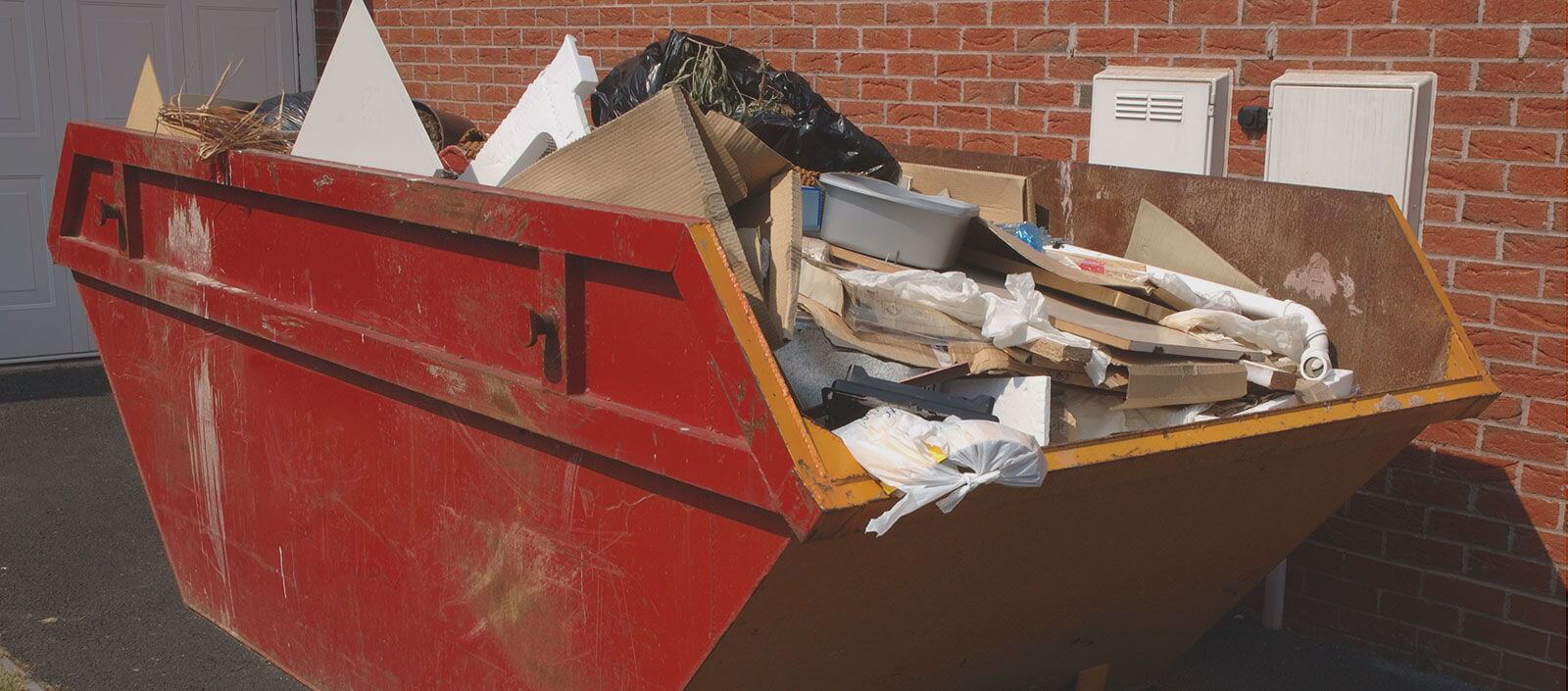
Waste Removal in Notting Hill for homes, businesses and one-off clearances
Waste Removal Notting Hill provides rubbish collection and clearance work in Notting Hill for households, landlords, offices and local trades that need a practical way to deal with unwanted items. The service covers everyday mixed rubbish as well as larger clearances, with an approach that is suited to loose bags, bulky items and ongoing waste streams where a straightforward collection is more useful than waiting for a bin to empty. Customers can use the main waste removal service as a starting point for general load types and then narrow the job to the most suitable collection page.
Typical work may include single-item uplift, partial room clear-outs, post-refurbishment waste and recurring commercial rubbish. We also separate service types for furniture, domestic waste, garden waste, builders' waste and appliance disposal, which helps keep each booking focused on the right load and the right handling method. If you already know the material type, it is usually simplest to choose the matching collection option before you make an enquiry. That makes the quotation request more specific and helps avoid unnecessary back-and-forth.
When you are ready to talk through a load, send a brief description of what needs removing and whether the items are inside or already at the kerb. If the job includes awkward access, lifting from upper floors or mixed materials, mention that as well. Get in touch to request a quotation and a suitable service can be suggested from the information you provide.
General rubbish collection and everyday clearances
General rubbish collection is the simplest option when a property has accumulated mixed waste rather than one clearly defined material. It suits items such as bagged rubbish, cardboard, small broken household pieces and mixed clutter from a room, cupboard or storage area. The service is useful when waste does not justify a specialist category but still needs prompt removal. For a broader explanation of what can be handled, the rubbish collection page gives a clear overview of the type of work involved.
For homes, this can be a tidy way to clear out surplus items without organising several separate collections. For landlords and agents, it can be a practical option after a tenancy changeover or before decoration begins. The emphasis is on removing the load in one organised visit rather than treating each item separately. If the waste is mixed, keeping it grouped in one place and noting the volume will help make the enquiry easier to assess.
Domestic waste and household items
Domestic waste collection is aimed at ordinary household rubbish that has built up over time or followed a declutter. It can include general bagged waste, packaging, small furnishings and non-hazardous household discards. Where the load includes heavier or more awkward objects, it may be better to use a more specific service page so the removal can be matched to the item type. The domestic waste collection service is a useful place to start when the job is centred on home waste rather than office or building materials.
For many customers, the main question is whether the load is mostly loose rubbish, mostly household items, or a combination of both. That distinction affects the amount of labour involved and the most suitable collection plan. A clear description of the waste helps keep the quotation practical and avoids over-specifying a job that is still fairly straightforward.
Furniture, white goods and bulky item disposal
Bulky items need different handling from general rubbish because they often take more space, can be heavier to move and may require more careful lifting through narrow entrances or stairs. Furniture removal is the right route when the main task is to take away sofas, tables, chairs, wardrobes or similar household pieces. You can use the furniture removal service when the job is centred on movable household furnishings rather than mixed waste.
When the items are no longer wanted rather than being moved elsewhere, furniture disposal can be the better fit. That page is helpful where the load is made up of pieces that are already broken, heavily worn or simply ready for disposal. If you are comparing options, it is worth separating resale-worthy furniture from damaged or unusable pieces, because the handling may be different. The furniture disposal page gives that option its own focus.
Appliances and white goods
White goods and appliance disposal covers electrical household items such as fridges, freezers, washing machines and other large appliances that are difficult to manage like ordinary rubbish. These items are often bulky, awkward to manoeuvre and best treated as a distinct collection type. If your load contains a mixture of appliances and other furniture or clutter, it is sensible to mention everything in the enquiry so the collection can be planned around the heavier pieces. The white goods and appliance disposal service is the relevant place for that work.
Where the main issue is simply that one or two large household items need taking away, a focused collection is often more efficient than describing the whole property. Please note any tight corridors, upper-floor access or items that cannot be moved to the ground floor in advance. That keeps the discussion practical and helps identify the right option quickly. Clear item detail matters more than general labels when the job contains heavy goods.
Builders' waste, office clearances and commercial loads
Commercial waste removal covers the sort of loads that arise in shops, offices, refurbishments and small works environments. The best route depends on whether the waste is mainly packaging and general rubbish, or the by-product of building and fitting work. For construction-related material, the builders' waste disposal service is the right match for rubble, offcuts, plasterboard-type waste and similar site debris.
If the load comes from a workplace rather than a building project, office clearance may be more appropriate. That can suit desks, chairs, filing items, storage units and general office contents that need removing from a business premises. A linked office clearance page helps separate this work from domestic or construction waste, which is useful when a commercial site has a mixture of furniture and general clutter.
For shops, cafés and other premises with repeat waste needs, commercial waste removal is also a sensible option when the aim is to keep unwanted items under control rather than manage a one-off clear-out. The main decision is whether the load is recurring, renovation-related or a single clearance of surplus contents. If the waste type is described accurately, the service can be aligned with the right method from the outset.
Garden waste and outdoor clear-up work
Garden waste removal is intended for the non-hazardous material that builds up during pruning, mowing, hedge cutting and light garden tidy work. It commonly includes branches, leaves, cuttings and other green waste that is awkward to bag and dispose of separately. Where the outdoor area has produced a larger amount than usual, the dedicated garden waste removal service is the most relevant page to start from.
Customers sometimes combine garden material with old outdoor furniture, broken plant pots or miscellaneous items from sheds and storage spaces. In that case, it is helpful to say whether the collection is mostly green waste or a mixed outdoor clear-up, because the load description will affect how it is grouped. The aim is to keep the process simple and avoid splitting an otherwise ordinary job into separate parts unless there is a clear reason to do so.
For larger domestic clear-outs, garden waste can be one element in a wider removal that also includes household clutter or broken furniture. If that is the case, choose the service page that best reflects the heaviest or most significant part of the job, then mention the rest in your enquiry. A brief list of the main items is usually enough to start the quotation process.
House and loft clearance options
House clearance is designed for situations where a property contains a larger volume of unwanted contents than a standard rubbish collection would comfortably cover. It is often used for room-by-room clear-outs, emptied homes, deceased estates or situations where a property needs to be made ready for sale, letting or refurbishment. The dedicated house clearance service is useful when the job is mainly about clearing domestic contents rather than one single category of item.
Loft clearance has its own practical considerations because the waste is commonly stored in a space with restricted access, low headroom or difficult carrying routes. Old boxes, suitcases, broken household items and long-kept clutter may all be present at once. When the loft is the main area of concern, the loft clearance page helps separate that type of work from a full house clearance or a more general rubbish collection.
Choosing the right level of clearance
For both house and loft work, the most useful distinction is between a light clear-out and a fuller removal of contents. A small number of bags is different from a room full of mixed items, and a focused loft tidy differs from a whole-property clearance. If access is awkward, if the contents are boxed or loose, or if some items are to stay in place, those details are best mentioned early so the job is described accurately rather than generously.
It is usually helpful to note whether the waste is already consolidated or still spread through the property. That affects how much lifting and sorting is involved. If you are unsure which page to use, choose the one that best matches the main task, then describe the rest in plain language. Specifics help more than broad estimates when the work involves several rooms or a loft full of stored items.
How quotations are usually prepared
A clear quotation starts with the type of waste, the approximate volume and the access involved. Photographs can help when the load is bulky or mixed, but a written description can be enough for simpler work. Mention whether the items are inside the property, in a garden, in a basement, in a loft or already outside, because that changes the lifting and carrying needed. The pricing and quotes page explains how enquiries are normally approached.
It is also sensible to include any relevant limitations at the start. Narrow staircases, shared entrances, restricted parking or separate item types may all influence how the job is organised. Where a load contains both general rubbish and specialist items, list the main categories in order of size or importance. That keeps the quotation focused, avoids repetition and gives a better basis for comparing options without promising anything that has not been checked.
Useful details for an enquiry often include the main item type, the rough quantity, where the waste is stored and whether there are access constraints. If you have several different materials, a short bulleted note can keep the information readable:
- Main item type or waste category
- Approximate volume or number of items
- Where the waste is located
- Any stairs, tight access or lifting issues
What affects the cost and how service pages help you choose
Price is usually influenced by the type of waste, the amount to be removed, how easy it is to access and whether the load is a single category or a mixed clear-out. A load of bagged rubbish is not the same as a loft full of awkward items or a commercial clearance with heavier contents. The main purpose of a service page is to help you identify the right category before you ask for a quotation, so the description of the job is as accurate as possible.
That is why the website separates work into distinct pages for builders' waste, domestic waste, furniture, garden waste, house clearance, loft clearance, office clearance and appliance disposal. Each page reflects a different kind of removal task and allows the enquiry to focus on the practical details that matter. If you are comparing options, choose the page that best fits the material rather than the one with the broadest wording. If you are ready to proceed, make a note of the main items and ask for a quotation in plain terms.
When a mixed load needs a practical decision
Some jobs do not fit one category neatly. A property may contain old furniture, a few bags of rubbish and a small amount of refurbishment waste, or a business may have office contents mixed with packaging and general waste. In those cases, the most sensible route is to identify the dominant part of the load and mention the rest in the same enquiry. That is usually enough to direct the job to the right kind of collection without overcomplicating the process.
Where the waste is unusually varied, a concise description can be better than a long list. The point is not to produce a perfect inventory, but to make sure the service chosen is the one that fits the main task. If there is any uncertainty, a short enquiry with a few factual details is often the best way to begin.
About Notting Hill
Notting Hill is a district in west London known for its layered streetscape, varied architecture and cultural associations that have changed over time. Much of the area is made up of 19th-century terraces and stucco-fronted houses, with grander squares and mansion blocks sitting alongside narrower residential streets. The area sits within the London Borough of Kensington and Chelsea, with the wider locality shaped by nearby routes such as Notting Hill Gate, Portobello Road and Westbourne Grove. Portobello Road Market is one of the best-known landmarks, stretching across a long axis through the neighbourhood and bringing together antiques, food stalls and everyday shopping in a way that reflects the district’s mixed identity. The area also has a strong film and publishing presence in the public imagination, helped by the popularity of its colourful façades and recognisable squares. Holland Park lies to the east and provides one of the most significant open spaces close to the district, while nearby Ladbroke Grove and Kensington Park Road are part of the street pattern that gives Notting Hill its distinctive urban character. The annual carnival associated with the area has roots in Caribbean cultural life and has become a major event in London’s calendar, bringing music, procession and community activity to surrounding streets. Together these features give Notting Hill a reputation for being both residential and lively, with a built environment that ranges from quieter mews and garden squares to busier retail and market streets.
Start a clearance enquiry
If you want rubbish removed in Notting Hill, the easiest next step is to pick the service that best matches the waste and then ask for a quotation with a short description of the job. A few factual details are usually enough to identify whether the work belongs under furniture removal, domestic waste, builders' waste, office clearance or a broader clearance service. When in doubt, describe the load as it is rather than trying to fit it into a category that does not quite suit it.
Customers who are comparing options often find it helpful to review the service overview first, then move to the most relevant page for the load type. You can also use the pricing and quotes information to understand how the enquiry is framed before you contact the team. If you prefer to keep things simple, just outline the waste, the location of the items and any access notes, and ask for a quotation.
For a direct response, use the contact page and send the details of what needs to be taken away.