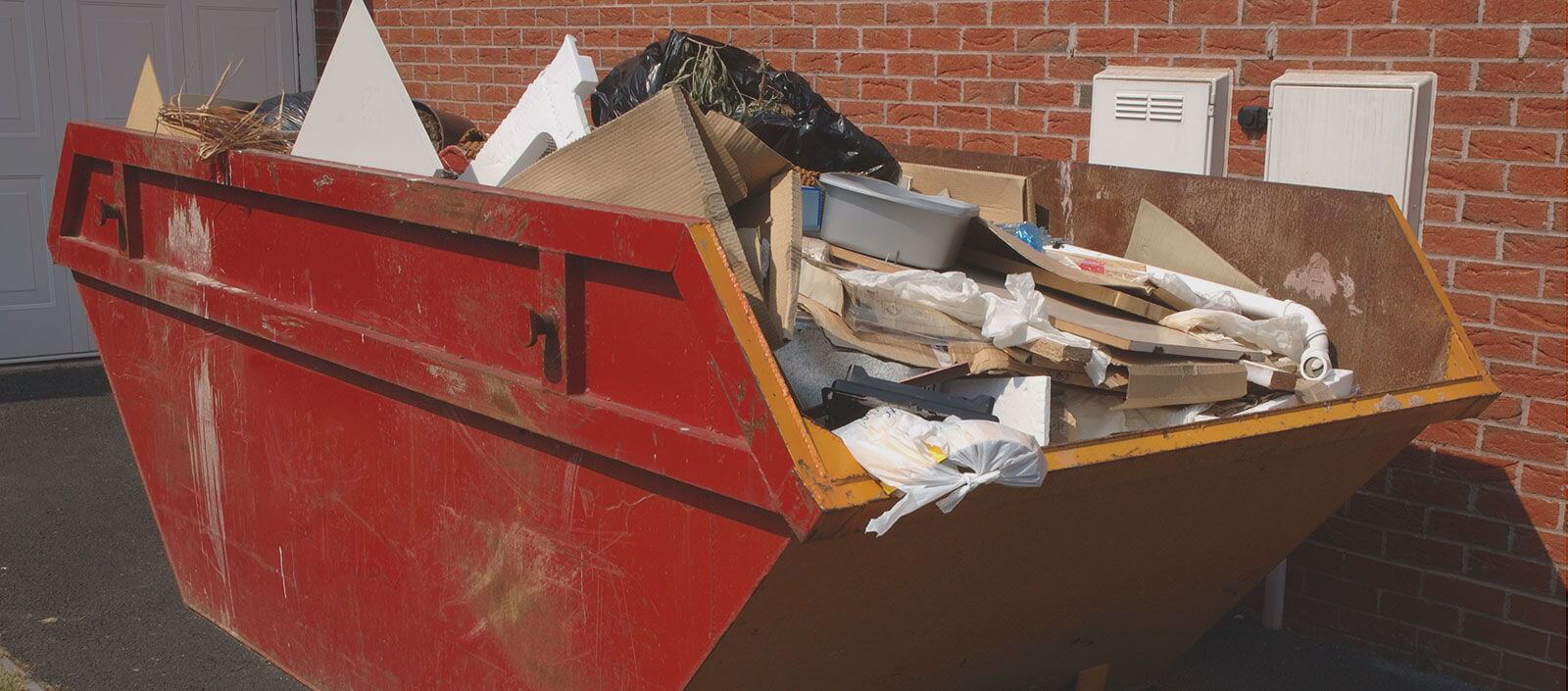
Commercial waste contracts for Notting Hill shops & cafes
Posted on 07/09/2026

Commercial waste contracts for Notting Hill shops & cafes
Running a shop or cafe in Notting Hill means living with a very particular kind of pressure: the street is busy, the footprint is tight, and waste builds up faster than most owners expect. Commercial waste contracts for Notting Hill shops & cafes are not just a box-ticking exercise; they are part of keeping the premises clean, the operation smooth, and the customer experience decent from the moment the shutters go up. If you have ever tried to juggle delivery boxes, coffee grounds, packaging, food waste, and a back room that seems to shrink every week, you will know what I mean.
This guide breaks down how these contracts work, what to look for, where businesses get caught out, and how to choose a setup that fits the rhythm of a busy W11 high street. We will keep it practical, local, and grounded in real day-to-day trading realities. No fluff. Just the stuff that actually helps.
Why Commercial waste contracts for Notting Hill shops & cafes Matters
Notting Hill is lovely, but it is not forgiving when waste is handled badly. Pavements are busy, servicing windows can be awkward, and a couple of missed collections can make a small cafe look scruffy very quickly. For customer-facing businesses, that matters. A lot.
Commercial waste contracts for Notting Hill shops & cafes matter because they create a predictable routine. Instead of phoning around when the bins overflow or a stock clear-out leaves cardboard stacked by the till, you have an agreed plan for collection, disposal, and recycling. That predictability is valuable whether you run a brunch spot near Westbourne Grove, a deli off Ledbury Road, or a small independent shop tucked away on a side street where every inch of pavement counts.
There is also the reputational side. Customers notice hygiene, even if they do not say it. So do neighbouring businesses. And let's face it, nobody wants to be the cafe with sacks of waste sitting outside in full view at 8:30 in the morning. You can smell the difference before you even see it.
From a business perspective, a proper contract can also help you budget. Waste costs become part of overheads rather than a surprise expense whenever the back room fills up. If you are planning stock rotation, refurbishments, or seasonal menu changes, that consistency is a relief.
For a broader sense of how local operations fit into the area, many owners also find it helpful to understand the neighbourhood itself. A simple read through this local guide to roaming Notting Hill's streets can remind you how footfall, culture, and shopfront presentation all shape everyday trade.
How Commercial waste contracts for Notting Hill shops & cafes Works
In plain English, a commercial waste contract is an agreement between a business and a licensed waste provider for regular or on-demand collection of business waste. The details vary, but most contracts cover the same core points: what is collected, how often, how much it costs, and what happens if your waste volume changes.
For shops and cafes, the contract usually starts with an assessment of your output. A small espresso bar with light packaging waste will need something very different from a busy cafe doing all-day service, food prep, and takeaway cups. A shop with frequent deliveries may generate more cardboard and wrapping than you expect. Tiny premises can still produce a surprising amount of rubbish. Strange, but true.
Typical elements include:
- Collection frequency: daily, weekly, bi-weekly, or ad hoc
- Waste streams: general waste, mixed recycling, food waste, cardboard, glass, and sometimes bulky items
- Container type: bags, bins, wheelie bins, caddies, or dedicated skips for larger jobs
- Collection access: rear alley, frontage, basement storage, loading bay, or timed curbside pick-up
- Charges: fixed monthly pricing, volume-based pricing, or a bespoke quote
- Service terms: notice periods, minimum commitments, contamination rules, and missed-collection processes
Once agreed, the service should fit into your trading pattern with minimal fuss. The best contracts are almost boring in the best possible way: the waste disappears when it should, the invoices make sense, and you do not spend half your week chasing someone with a clipboard.
If you are comparing service levels or trying to understand the wider range of options, the local services overview is a useful way to see how waste and clearance support can be structured around different business needs.
Key Benefits and Practical Advantages
The obvious benefit is cleanliness, but the real value goes deeper than that. A good waste arrangement supports the rhythm of the business. It makes busy mornings calmer, closes down less chaotic, and reduces those awkward moments when staff have nowhere safe to put a growing pile of packaging.
Here are the practical advantages owners usually care about most:
- Cleaner front of house: less clutter, fewer odours, and better first impressions.
- Better stockroom control: waste leaves at a regular pace, so storage areas stay usable.
- Reduced staff strain: no one likes wrestling overfilled bags down a narrow stairwell.
- More predictable costs: a contract gives you a clearer sense of monthly spend.
- Operational continuity: collections fit around opening hours and delivery times.
- Improved recycling performance: cleaner sorting often means less general waste and more recovery.
There is a quieter benefit too: fewer problems with neighbours, landlords, or managing agents. Waste issues have a habit of attracting attention at the wrong time. A missed collection before a Saturday brunch rush can become a mini-crisis very quickly.
On the sustainability side, many businesses now want to reduce landfill-bound waste and improve separation. The right arrangement makes that easier without turning it into a full-time admin job. If that is on your mind, it may help to review the site's page on recycling and sustainability as part of your decision-making.
Who This Is For and When It Makes Sense
Not every business needs the same level of service. A quiet bookshop with minimal packaging does not need to overbuy waste capacity. A brunch cafe producing food waste, takeaway cups, napkins, and delivery packaging almost certainly does. That is the heart of it.
Commercial waste contracts for Notting Hill shops & cafes make sense when any of the following apply:
- You generate waste every trading day.
- Your bins fill before the next ad hoc collection would realistically happen.
- Staff are managing waste as part of opening or closing routines.
- You need a reliable recycling setup, not just a bin emptying service.
- Storage is tight and waste has to move out quickly.
- You want a formal paper trail for compliance or landlord requirements.
They are especially useful for cafes with takeaway trade, delis with regular deliveries, bakeries with packaging and food prep waste, gift shops with cardboard build-up, salons with mixed packaging waste, and small retailers that receive stock several times a week. The more customer-facing your frontage is, the more important the contract becomes.
One thing people sometimes miss: the best time to sort this out is before waste becomes a problem. If you wait until storage is already overflowing, you end up making a rushed decision. Those rarely age well.
Step-by-Step Guidance
If you are setting up waste collection for the first time, keep the process simple. A lot of owners overcomplicate it in the beginning, then wonder why nothing feels tidy or consistent. Here is a clean way to approach it.
- Map your waste streams. List everything you throw away in a normal week: food waste, packaging, cardboard, glass, general refuse, and anything bulky.
- Estimate volume honestly. Not the best week. A normal week. Big difference.
- Check storage space. Measure where bins, sacks, or containers will live without blocking staff movement or customer access.
- Match collection frequency to trading patterns. A weekend-heavy cafe may need extra support before busy periods.
- Ask about contamination rules. Mixed waste and recycling rules vary, and a sloppy recycling setup can undermine the whole contract.
- Review access and timings. Make sure collections can happen without disrupting opening hours, deliveries, or neighbours.
- Read the contract terms properly. Look at notice periods, price changes, additional charges, and what counts as a failed collection.
- Set a review date. Reassess after one or two months, especially if your menu, stock, or customer volume changes.
A useful rule of thumb is to design around the busiest ordinary day, not your quietest one. That is the moment waste systems either cope or wobble.
If you want to compare costs and understand what drives pricing, the page on pricing and quotes can help frame the conversation before you commit.
Expert Tips for Better Results
There are a few details that make a waste contract work far better in real life. They are not flashy, but they save hassle.
- Separate cardboard early. Flatten boxes at unpacking time, not at closing time when everyone is tired.
- Keep food waste covered. Especially in warmer months. It sounds obvious, but odours build fast.
- Label internal bins clearly. Staff work faster when the system is visual, not vague.
- Plan for promotions and seasonal peaks. Christmas, summer festivals, and busy event periods can change your waste profile overnight.
- Keep a simple log. If a collection is missed or contamination becomes an issue, a log helps spot patterns quickly.
- Talk to neighbouring businesses. Shared servicing arrangements sometimes work well on a narrow street, provided everyone is organised.
One practical note from experience: a tidy bin store is easier to maintain than a big, heroic clean-up once a month. Small habits win here. They really do.
For businesses that value security and careful handling, it is also worth understanding the provider's operating standards. A quick read of insurance and safety information can give you a sense of the kind of reassurance to ask for.

Common Mistakes to Avoid
A lot of waste problems are not caused by the contract itself. They are caused by assumptions. Someone thinks the bins are big enough. Someone else assumes recycling can go together. The manager assumes the collection time is flexible. Then the week gets messy.
The most common mistakes are:
- Choosing a contract without checking actual waste volume. Too small becomes chaotic; too big wastes money.
- Ignoring access constraints. In Notting Hill, narrow streets and tight frontage space matter more than people expect.
- Mixing recycling streams. Contamination can create extra cost and reduce recycling performance.
- Forgetting about storage hygiene. If waste sits too long, odours and pests become a risk.
- Not reading notice periods or price review clauses. The small print can bite later.
- Leaving responsibility with one overworked staff member. Waste needs a process, not just a person who "sort of handles it."
Another common oversight is not planning for bulky items like shelving, old fridges, display units, or cafe furniture. Those are not everyday waste, but they do appear, usually at inconvenient times. When they do, a standard bag collection is no help.
For that sort of one-off removal, a related service such as commercial waste removal in Notting Hill is often the more flexible route.
Tools, Resources and Recommendations
You do not need a complicated system, just something consistent. A few simple tools can make the whole arrangement easier to run.
- Waste audit sheet: a basic list of what goes out each day and in what quantity.
- Collection calendar: keep it visible in the staff area or on a shared rota.
- Bin labels and colour coding: useful for mixed teams and busy shift changes.
- Supplier checklist: note access needs, opening hours, and collection restrictions.
- Photo log: handy if there is a missed collection, overflow, or contamination dispute.
It also helps to understand your wider waste options. Some businesses need regular collections. Others need occasional clear-outs after refurbishments, new stock arrivals, or end-of-season changes. If that sounds familiar, the pages on rubbish collection in Notting Hill and waste removal in Notting Hill are useful supporting references when planning a broader waste strategy.
And if you are still deciding who to trust, it is sensible to read more about the business itself. A short visit to about us can help you judge whether the operation feels professional and straightforward, which, to be fair, matters a lot in this line of work.
Law, Compliance, Standards, or Best Practice
Waste handling is one of those areas where being casual is a bad idea. In the UK, businesses have responsibilities around storing, separating, and transferring waste properly. You do not need to become a legal specialist, but you do need to understand the basics and work with a provider that takes compliance seriously.
At a minimum, you should expect:
- Waste to be collected by a licensed and reputable carrier.
- Waste transfer details to be documented appropriately.
- Materials to be stored safely before collection.
- Recycling streams to be kept as clean as reasonably possible.
- Any hazardous or specialist items to be flagged early.
For cafes, food waste and hygiene are especially important. For shops, cardboard and packaging management often become the biggest issue. Either way, the goal is to avoid fly-tipping risk, uncontrolled storage, and poorly handled disposal. No one wants a fine, and nobody wants the embarrassment of waste being left in the wrong place.
If compliance is high on your list, the page on waste carrier licence and compliance is one of the most useful internal references available. It is the sort of thing you may only read once, but you will be glad you did.
Best practice also includes keeping records of contract changes, collection frequency, and any recurring issues. If your waste profile changes, update the arrangement rather than hoping it sorts itself out. It rarely does.
Options, Methods, or Comparison Table
There is more than one way to manage commercial waste for shops and cafes. The right choice depends on waste volume, storage, staffing, and how often you need help. Here is a simple comparison.
| Option | Best for | Strengths | Limitations |
|---|---|---|---|
| Regular commercial contract | Busy cafes, retailers, food businesses | Predictable, tidy, good for ongoing waste | Requires accurate volume planning and contract review |
| Ad hoc clearance | Occasional bulky or seasonal waste | Flexible, useful for one-off jobs | Not ideal for daily waste generation |
| Mixed manual bin system | Very small businesses with low output | Simple at first, low commitment | Can become messy and expensive if volume rises |
| Combination approach | Growing shops and cafes | Balances routine collections with occasional clear-outs | Needs careful coordination so waste does not pile up |
In Notting Hill, the combination approach is often the sweet spot. A cafe may need regular collections for day-to-day waste, then a separate clearance when refurbishing seating, replacing storage, or dealing with broken fixtures. That mix is normal. In fact, it is probably the most realistic setup for many local businesses.
If you are weighing flexibility against convenience, the comparison between office clearance in Notting Hill and broader removal services can also be helpful, especially for businesses with back-of-house areas that double as storage.
Case Study or Real-World Example
Picture a small independent cafe near a busy Notting Hill corner. They have a steady breakfast trade, takeaway cups, sandwich packaging, coffee grounds, and a few delivery boxes every morning. At first, they try to manage with a simple mixed-bin setup and occasional extra bags. It works fine for a while. Then a busy weekend comes along, stock arrives late, and suddenly the rear storage area is full of flattened boxes, sacks, and a broken crate nobody has time to deal with.
What changed was not the business, really. It was the volume. Trade had grown just enough that the old system no longer matched reality.
They moved to a structured waste contract with more regular collections and clearer separation of cardboard and food-related waste. Staff knew exactly where each type went. The storage space stayed usable. The frontage looked cleaner. The manager no longer had to make awkward apologetic calls on Monday morning. Simple stuff, but it made a real difference.
The lesson is straightforward: waste systems should fit the way your business actually runs, not the way you wish it ran on a quiet Tuesday afternoon. There is a practical comfort in that. Less drama, fewer surprises.
For occasional one-off bulky items or clear-outs, the business may also benefit from local support like same-day rubbish help in Notting Hill when timing suddenly matters.
Practical Checklist
Use this before you sign or renew a contract.
- Have I mapped every waste type we produce?
- Do we know the normal weekly volume, not just the busiest week?
- Is the collection schedule realistic for our opening hours?
- Do we have enough storage space for bins or sacks?
- Are recycling and food waste streams clearly separated?
- Have we checked contract notice periods and any hidden fees?
- Is the provider licensed and able to show compliance details?
- Have staff been shown where each waste type goes?
- Is there a plan for seasonal peaks, refurbishments, or stock changes?
- Do we know who to call if a collection is missed?
If you can tick most of those boxes, you are in good shape. If not, pause and tidy up the plan before you commit. A little time now usually saves a lot of hassle later.
Get a free quote today and see how much you can save.
Conclusion
Commercial waste contracts for Notting Hill shops & cafes are about more than removing rubbish. They help protect your shopfront, keep staff moving efficiently, support compliance, and make day-to-day trading feel less cramped and stressful. In a neighbourhood where presentation matters and space is always at a premium, that is a serious advantage.
The smartest contracts are the ones shaped around your real waste pattern, not an assumption. Get the volume right. Build in flexibility. Keep recycling simple. Ask practical questions before signing anything. That way, your waste system becomes one less thing to worry about, which is how it should be.
And truth be told, a well-run bin setup is one of those quiet business wins nobody posts about on Instagram, but every owner appreciates by Friday afternoon.