Illegal dumping laws in Notting Hill: responsibilities explained
Posted on 05/07/2026
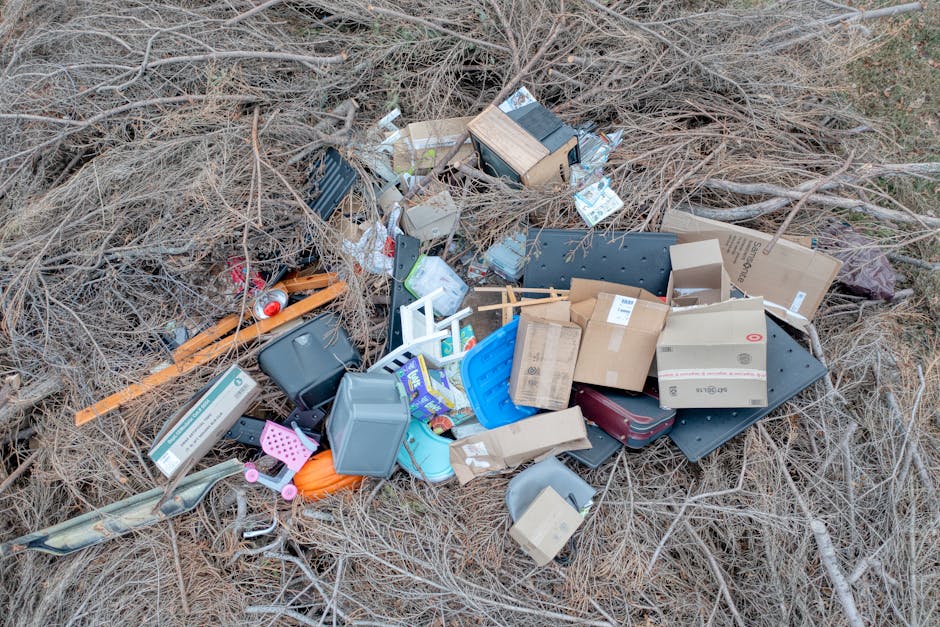
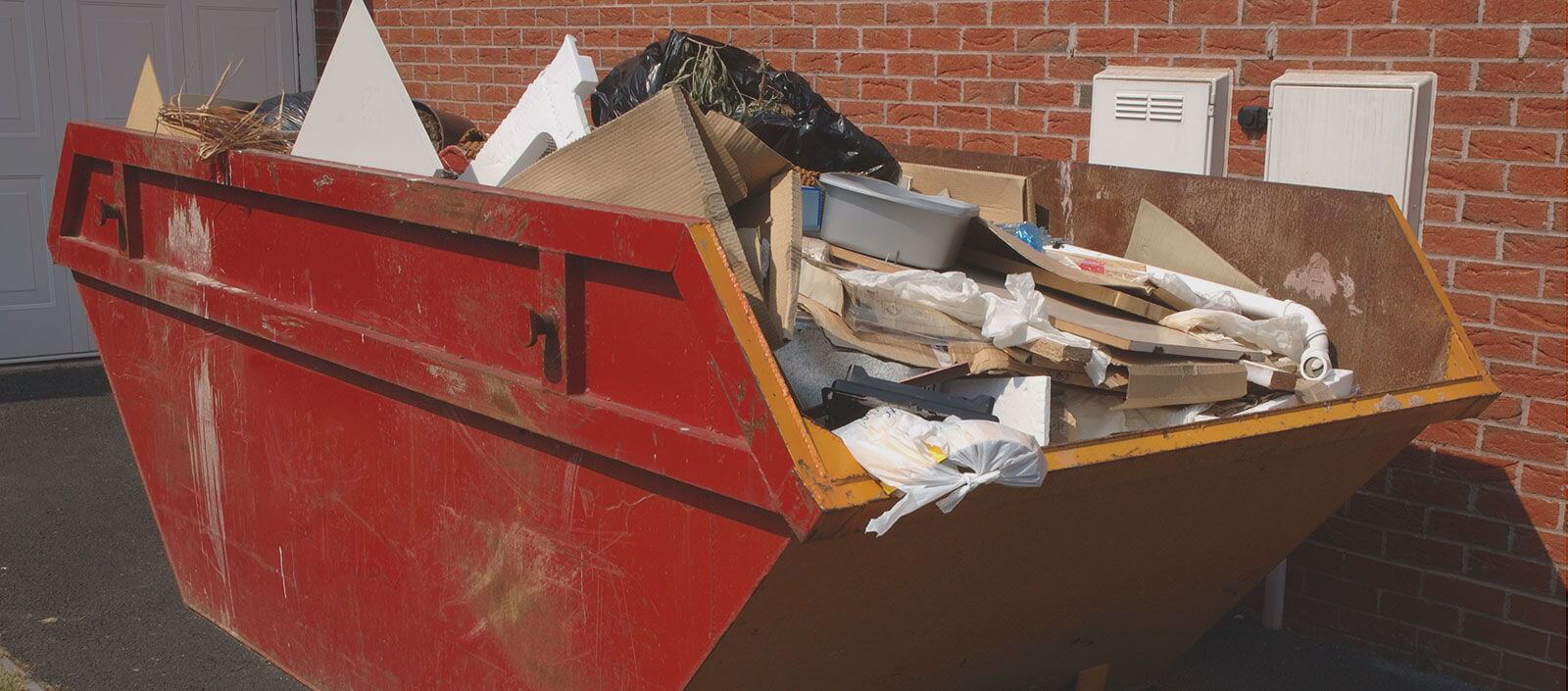
If you live, work, or own property in Notting Hill, illegal dumping is one of those problems that can turn up overnight and create a lot of stress fast. A sofa left beside a mews, builder's rubble beside a communal bin store, or a bag of mixed waste dropped after dark may look like someone else's mess - but the responsibility is not always as simple as that. In practice, understanding illegal dumping laws in Notting Hill: responsibilities explained means knowing who can be held liable, what counts as fly-tipping, and how to act before a minor issue becomes a fine, a complaint, or a bigger clean-up bill.
This guide breaks it down in plain English. You'll get a practical overview of the rules, the real-world responsibilities for residents, landlords, businesses, and contractors, plus the steps that help you stay compliant. We'll also cover common mistakes, useful prevention habits, and what to do if rubbish appears on your street and you're not sure where it came from. Truth be told, that uncertainty is where a lot of problems start.
Why Illegal dumping laws in Notting Hill: responsibilities explained Matters
Illegal dumping matters here because Notting Hill is dense, active, and full of mixed property types. You have flats above shops, communal bin stores, narrow residential streets, managed blocks, period homes, refurbishments, and constant movement from removals, deliveries, and short-term tenant changes. That mix is exactly where waste disputes tend to happen. One missed collection or one badly chosen disposal method can affect a whole street.
It also matters because the law is not aimed only at the person who physically drops the rubbish. In many cases, the person who arranged the waste transfer, the occupier of the premises, the business producing the waste, or the householder who failed to check a collector's credentials may all have a role. That is why people get caught out. They assume, rather casually, that once the bag leaves their hands, the job is done. Not quite.
For local residents, the practical issue is simple: fly-tipped waste can attract more waste. A single mattress dumped at the kerb can become two mattresses, then a broken wardrobe, then bags split by rain and foxes. By Monday morning, the whole corner looks tired and neglected. If you've ever walked past a pile like that on a wet London evening, you'll know the smell and the visual mess are hard to ignore.
There is also a reputation point. Notting Hill is known for attractive streets and high-value homes, so poorly managed waste stands out more than people expect. If you're interested in how the area's streets, homes, and local feel shape everyday life, some readers also like our piece on roaming the streets of Notting Hill and the wider local context covered in local advice for potential residents.
Expert summary: The safest approach is to treat waste disposal as a traceable responsibility, not a hand-off. If you can't prove who removed the rubbish and where it went, you may have a problem on your hands later.
How Illegal dumping laws in Notting Hill: responsibilities explained Works
At a basic level, illegal dumping means leaving waste somewhere it should not be left, or passing waste to someone who is not authorised to handle it properly. In the UK, this is commonly called fly-tipping. The exact enforcement route can vary, but the practical idea is consistent: waste must be stored, transferred, and disposed of lawfully.
In Notting Hill, responsibility usually falls into a few recognisable situations:
- Households must present domestic waste correctly and only use approved disposal routes.
- Landlords and managing agents need to make sure tenant turnover doesn't create uncontrolled waste piles.
- Businesses must arrange licensed collection and keep proper records.
- Builders and contractors need clear control of construction waste, skips, and transport.
- Waste carriers must be properly licensed and able to show compliance.
The tricky bit is evidence. If a council officer or enforcement body investigates, they may look for proof that the waste was handed to a legitimate operator, that it was contained correctly, and that the person responsible took reasonable steps. That can include receipts, transfer notes, waste carrier details, photographs, or job records. If you don't have them, things can get awkward, very quickly.
Sometimes the issue starts innocently. A neighbour offers to take your old furniture. A man-with-van quotes cheaply and disappears. A contractor leaves bags "temporarily" on the pavement. Then the items are found dumped in a lane, and the paper trail is missing. That is where responsibility becomes a real problem instead of a theory.
For people comparing disposal routes, it can help to read about local service options such as the services overview or specific support like rubbish collection in Notting Hill. If you're dealing with bigger loads, a clear, licensed removal route is usually the safer choice than trying to improvise. Let's face it, improvising with waste is where the headaches begin.
Key Benefits and Practical Advantages
Getting waste compliance right is not only about avoiding a penalty. There are very practical advantages, and they show up faster than people think.
- Lower risk of fines or enforcement action because your disposal trail is clearer.
- Cleaner shared spaces, which matters a lot in blocks, terraces, and mews properties.
- Fewer neighbour disputes over who left what where.
- Better contractor control when you're renovating, clearing out, or moving.
- Less time wasted chasing missing items, rogue collectors, or repeat messes.
- Better sustainability outcomes when materials are sorted and diverted properly.
There's also a quieter benefit: peace of mind. If you've ever been asked, "Did you check who took that away?" after a bulky clear-out, you know how valuable proper records can be. Being able to say yes, confidently, changes the whole tone of the conversation.
For households doing a one-off clear-out, services like domestic waste collection in Notting Hill or furniture disposal support may be more suitable than leaving items out and hoping for the best. For business premises, a managed route through commercial waste removal is often the cleaner option.
Who This Is For and When It Makes Sense
This topic matters to more people than you might expect. It is not just for people who have already been fined, or for those in the middle of a renovation. If you touch waste in any way, this is relevant.
Homeowners and tenants
If you're clearing out a flat, replacing furniture, or dealing with garden waste, you need to know what counts as lawful disposal. Even a small job can go wrong if a neighbour, friend, or casual collector turns out to be unlicensed.
Landlords and letting agents
Property turnover creates waste. Old mattresses, broken appliances, black sacks left after move-out day - all of it needs a proper process. In busy parts of Notting Hill, it can happen fast, especially around check-out periods. A system matters more than good intentions.
Businesses and shop operators
Commercial premises often generate cardboard, packaging, stock waste, office furniture, and refurb materials. If the chain of custody is weak, the responsibility can come back to you. That's the part people overlook. Commercial waste needs commercial care.
Builders, decorators, and tradespeople
Construction and refurbishment waste is a classic fly-tipping risk because it is bulky, awkward, and time-sensitive. If a contractor leaves rubble or timber in the wrong place, there may be more than one person asking difficult questions later. For larger jobs, builders' waste disposal in Notting Hill is worth considering early, not after the pile has grown legs.
Event organisers and short-let hosts
If you've hosted a party or temporary gathering, rubbish can spill over quickly. Bottles, packaging, food waste, broken props - it's not glamorous. The area has plenty of event-friendly spots, as you can see in this guide to party locations in Notting Hill, but with any event comes a responsibility to clear up properly afterward.
Step-by-Step Guidance
Here is the practical route we'd recommend if you want to stay on the right side of the rules and avoid unnecessary mess.
- Identify the type of waste. Is it domestic rubbish, bulky furniture, green waste, white goods, builders' waste, or commercial material? The category matters because the handling route may differ.
- Separate reusable, recyclable, and hazardous items. Don't mix paint tins, broken electronics, food waste, and furniture into one vague pile if you can avoid it.
- Check who is removing it. If someone else is collecting the waste, make sure they are legitimate and able to demonstrate compliance. Cheap is not the same as safe.
- Keep a basic record. Save messages, quotes, invoices, photos, or collection confirmations. A simple folder on your phone is enough for most people.
- Use the correct disposal route. For bulky items, use a lawful collection service or approved disposal channel rather than leaving items out early.
- Review any site-specific rules. Flats, estates, managed buildings, and commercial premises often have their own waste arrangements. Follow them exactly, even if they seem fussy.
- Remove waste promptly. The longer it sits there, the higher the risk of complaints, pests, and opportunistic dumping by others.
A small but useful habit: take a photo before and after the collection. It sounds a bit tedious, but when a dispute crops up later, that one photo can save a lot of back-and-forth. Strange, but true.
If you're dealing with furniture, appliances, or a full-room clear-out, specialised pages such as furniture removal in Notting Hill, white goods disposal, or house clearance can help you match the disposal method to the material.
Expert Tips for Better Results
Good waste compliance is usually about discipline, not drama. A few habits go a long way.
- Always ask for the waste carrier details before handing over rubbish to anyone you don't know well.
- Don't assume a van on the street is licensed; a signwritten vehicle is not proof.
- Bundle similar waste together so the collector can handle it correctly and the records stay clean.
- Schedule removals before pressure builds; last-minute decisions create bad choices.
- For flats, use shared communication so neighbours know what is being removed and when.
- Keep bulky waste off communal paths unless the building rules explicitly allow staged collection.
In our experience, the people who have the least trouble are the ones who treat waste like any other controlled part of the property. Not glamorous, I know. But effective.
If you're weighing up disposal methods, our article on skip hire vs man and van is a useful companion read. It helps you think through convenience, access, and the level of control you need.

Common Mistakes to Avoid
Most fly-tipping problems do not begin with malicious intent. They begin with shortcuts.
- Leaving rubbish beside bins too early and assuming collection will happen soon enough.
- Hiring the cheapest collector without checking compliance.
- Ignoring builder responsibility and leaving contractors to decide where waste ends up.
- Mixing controlled or awkward waste with general rubbish.
- Failing to keep any paperwork at all, especially for one-off clear-outs.
- Assuming a neighbour has permission to dispose of your items on your behalf.
One thing people often miss: if waste is dumped after being collected by someone you arranged, that does not automatically end the matter. If you did not take reasonable steps to check the collector, responsibility can still sit close to you. That's the difficult bit, and why cheap fixes are so risky.
For business owners, office managers, and landlords, services such as office clearance and waste removal in Notting Hill can reduce those risks by keeping the process more organised from the start.
Tools, Resources and Recommendations
You do not need a complicated system to stay compliant. A few simple tools will do the job.
- Phone camera for before-and-after photos.
- Notes app or shared folder to store collection details and receipts.
- Property management checklist for landlords and blocks.
- Job-specific waste log for businesses and trades.
- Separate containers or labels for mixed materials during clear-outs.
It also helps to use a provider that is transparent about how it operates. Pages like waste carrier licence and compliance, recycling and sustainability, and insurance and safety are useful indicators of the kind of information a responsible operator should make easy to understand.
If you're sorting a specific type of material, matching the service to the load matters. Garden cuttings? Garden waste removal. Mixed household items? Domestic collection. Old furniture? Dedicated furniture disposal. It sounds obvious, but the right match is often what keeps the whole job straightforward.
Law, Compliance, Standards, or Best Practice
Without pretending to give legal advice, the key compliance idea is simple: waste should only be passed to someone authorised to handle it, and the person producing the waste should take reasonable steps to make sure that happens. In practice, that means checking credentials, using appropriate paperwork, and avoiding informal arrangements that leave no trace.
For households, best practice usually means using recognised collection routes, checking what your building allows, and avoiding leaving items in communal or public areas. For businesses, the bar is higher. You should be able to show who collected the waste, when they collected it, and what was removed.
For contractors and trades, the expectation is even clearer: control the waste from the moment it is generated. That means not treating skips, vans, and site piles like an afterthought. If waste moves without control, it becomes someone else's problem - and possibly yours.
One practical standard worth following is this: if you would feel uneasy explaining the disposal route to a neighbour, landlord, or council officer, it probably needs tightening up. That's a decent gut check. Not scientific, but handy.
Options, Methods, or Comparison Table
Choosing how to handle waste in Notting Hill depends on scale, urgency, and the type of material. Here's a simple comparison.
| Option | Best for | Advantages | Watch-outs |
|---|---|---|---|
| DIY trip to a facility | Small, manageable loads | Direct control, simple for a few items | Time-consuming, vehicle access, handling effort |
| Man and van collection | Bulky household items, mixed clear-outs | Flexible, convenient, faster than self-haul | Must verify compliance and records |
| Skip hire | Ongoing refurb or large volumes | Good for repeated loading, site-based work | Space, permits, and correct loading matter |
| Managed waste removal service | Homes, businesses, and clearance jobs | Cleaner process, traceability, less hassle | Choose the right provider and service scope |
For many Notting Hill residents, the managed route is the least stressful because it reduces the chance of a misunderstanding about who owns the waste at each step. If you're clearing a property, timing matters too - especially around sales, tenancies, and refurbishments. Related reading like Westbourne Grove furniture removal and bulky waste pickup details can help you think through the practical side.
Case Study or Real-World Example
A typical local scenario goes like this. A flat in a Victorian terrace is being cleared ahead of new tenants. There's a wardrobe, a broken desk, two bags of mixed rubbish, and an old appliance. The letting agent wants it gone by the end of the day. A casual collector offers a quick pickup at a low price, but provides no proper paperwork and no clear evidence of licensing.
The sensible route is to pause, check the collector's status, and use a proper waste removal service that can separate the items correctly and provide a record. Why? Because if that load later appears dumped in a nearby lane, the paper trail matters. The person who arranged it may be asked to show they took reasonable steps. Without records, they are in a much weaker position.
We've seen similar situations in the context of hoarded flats, quick property sales, and tenancy changes. The pressure is usually time, not intent. But time pressure is exactly what makes illegal dumping law feel more serious. The more rushed the job, the more valuable a proper process becomes.
If the property is part of a sensitive clearance, you may also find discreet hoarder clearance advice helpful, especially where neighbours, access, or privacy are concerns.

Practical Checklist
Use this before any disposal job in Notting Hill.
- Identify the waste type and separate items if needed.
- Confirm who is responsible for arranging and paying for the removal.
- Check the collector's credentials before handover.
- Keep photos and paperwork in one place.
- Follow building or landlord rules for access and storage.
- Keep waste off public land unless permitted and controlled.
- Use the right service for the load, not just the cheapest one.
- Arrange removal promptly so waste does not sit around and invite problems.
- Make sure recyclables are handled properly where possible.
- Double-check bulky items like appliances and furniture, since they are commonly mishandled.
Quick takeaway: if you can trace the waste, you are in a much better position. If you can't, tidy that up first.
Conclusion
Illegal dumping laws in Notting Hill are easiest to understand when you stop thinking about rubbish as a one-off inconvenience and start seeing it as a responsibility chain. Who produced it? Who moved it? Who checked the collector? Who kept the evidence? Those questions sound a bit bureaucratic, but they are exactly what protects you from fines, neighbour disputes, and messy uncertainty later.
For most people, the goal is simple: keep things lawful, keep things tidy, and keep a record. Whether you are clearing a flat, managing a building, running a business, or handling a renovation, the safest approach is to use a proper route and avoid shortcuts. In a place like Notting Hill, where the streets are watched closely and standards are visible, that really does make a difference.
If you're planning a clearance or want a responsible way to handle bulky waste, start with a service that can match the job to the waste type and help you stay compliant from the outset.
Get a free quote today and see how much you can save.
And if all this has made waste disposal feel a bit more serious than you expected, that's fair. Better a little careful now than a lot of bother later.