Ladbroke Grove garden waste collection for terraces
Posted on 05/05/2026
Ladbroke Grove Garden Waste Collection for Terraces: A Practical Guide for Homes with Limited Outdoor Space
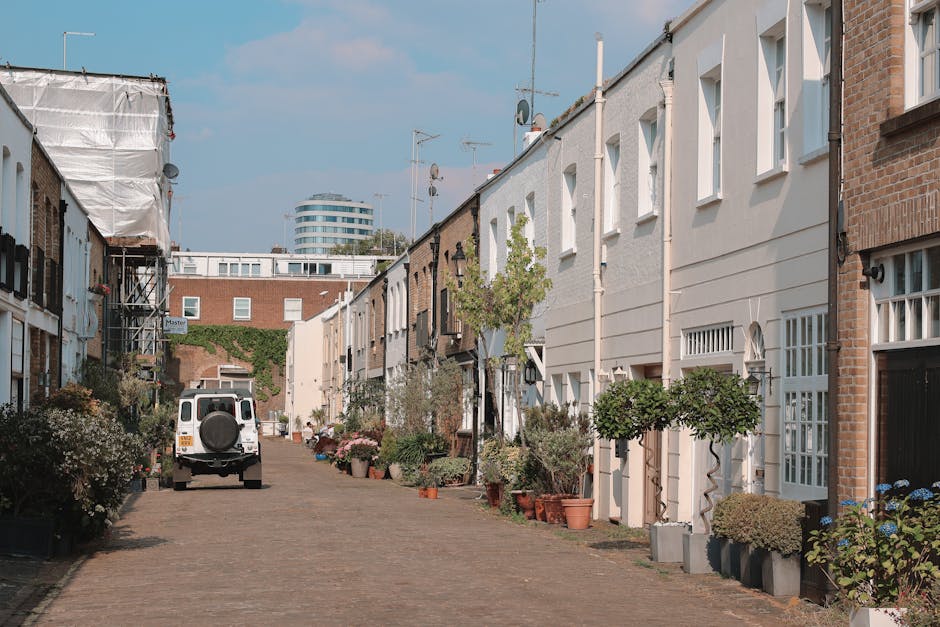
Terraced homes are brilliant for character, but they can make garden maintenance feel awkward. Narrow side access, shared front paths, small patios, rear courtyards, and flights of steps all turn a simple pile of clippings into a logistical job. That is where Ladbroke Grove garden waste collection for terraces becomes genuinely useful: it gives homeowners, tenants, landlords, and local property managers a clean, reliable way to clear cuttings, soil, branches, pots, and general green waste without turning the whole garden into a staging area.
If you have ever looked at a bag of hedge trimmings and wondered how it grew into a weekend project, you are not alone. The good news is that terrace-friendly collection is usually straightforward when it is planned properly. This guide explains how it works, what to expect, which options suit different homes, and how to avoid the common mistakes that make the job harder than it needs to be.
Along the way, we will also cover practical disposal choices, compliance considerations, and a few real-world tips that matter in tightly packed streets. If you need a broader household clear-out before or after gardening, it may also help to look at house clearance services, home clearance support, or the site's dedicated garden clearance page for related waste removal options.

Why Ladbroke Grove garden waste collection for terraces Matters
Terrace gardens in Ladbroke Grove often have one thing in common: limited movement space. You may be dealing with a slim passage, a basement-lightwell style yard, or a compact rear garden that opens directly onto the property. In practical terms, that means waste cannot always be wheeled out easily, and it is rarely sensible to leave bags piled up for days.
Garden waste also becomes more noticeable in terraces because it sits close to neighbours. A few bags of pruning can quickly affect shared sightlines, block access, or create a messy impression on a street where homes are close together. That is not just about appearances; it can affect safety, hygiene, and how comfortably people use the space.
There is also the question of timing. Terrace gardens are often worked on in small bursts: a hedge trim here, a patio tidy there, maybe a full seasonal cutback when the weather improves. Collection services that understand these properties can save a lot of effort because they are built around access constraints rather than assuming you have a driveway and a wide turning circle.
For many households, the real value is peace of mind. You know the waste will be taken away responsibly, you do not need to cram a bin to the lid, and you avoid that half-finished feeling where the garden looks tidy except for the pile waiting by the back gate. That last part, to be fair, can undo a whole afternoon's good work.
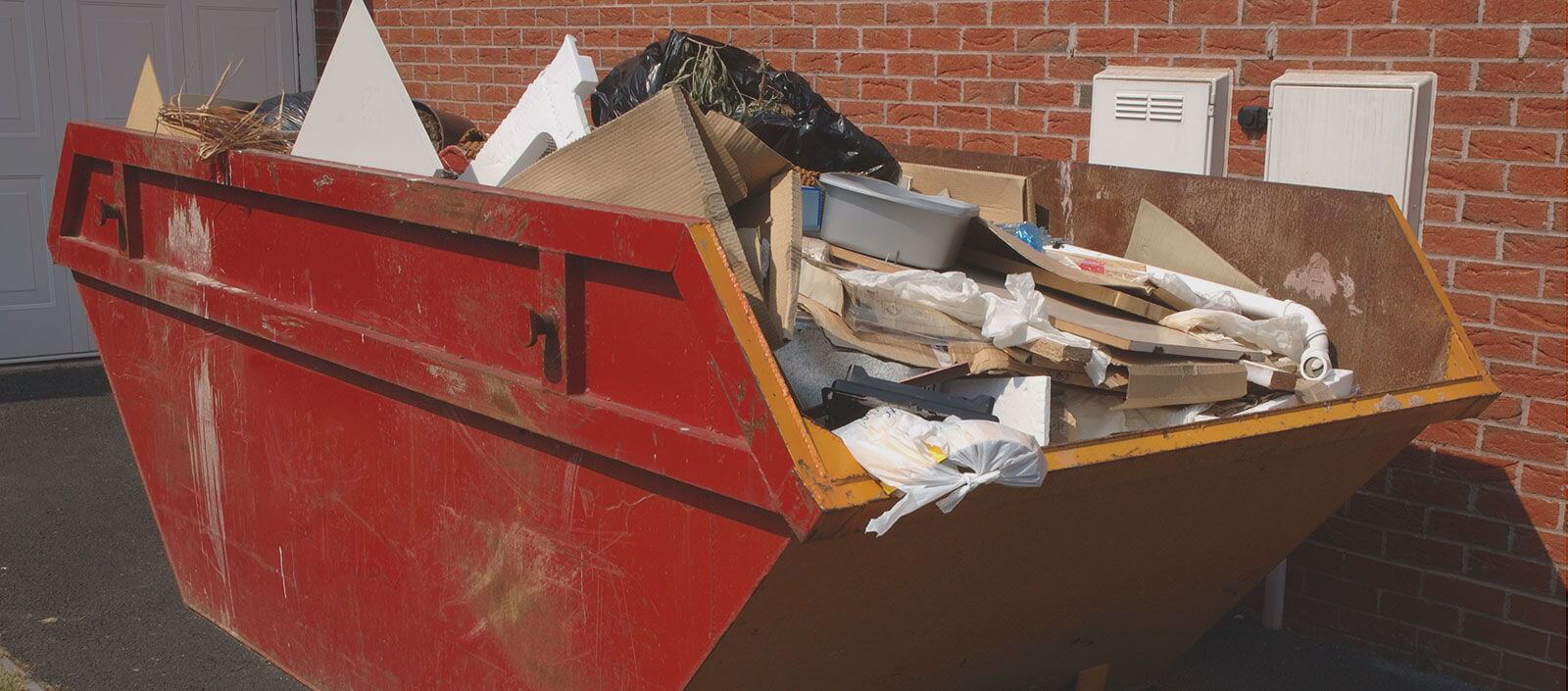
Where terrace homes are being renovated or refreshed, garden waste collection can also sit alongside other services such as general waste removal or even builders waste clearance if outdoor works include soil, rubble, timber, or old fencing.
How Ladbroke Grove garden waste collection for terraces Works
In most cases, the process is simpler than people expect. A provider will first assess the type and volume of waste, plus access conditions. For terraces, this usually means checking whether items need to pass through the house, side return, or rear access, and whether there are any stairs, narrow gates, or parking limitations that affect loading.
Once the scope is clear, the collection can be scheduled for a time that suits you. On the day, waste is typically loaded by hand from the garden, side passage, or front of the property if bags have already been moved there safely. If you have a bigger seasonal tidy, the team may remove bags, branches, planters, turf, old compost, or a mixture of green and general outdoor waste.
Good services usually separate reusable, recyclable, and non-recyclable materials wherever possible. Garden waste is not all the same. Soft green clippings, woody cuttings, soil, broken pots, treated timber, plastic planters, and old garden furniture may all need different handling. A reliable collection service should explain what can be taken together and what should be separated.
When terrace access is tight, a careful load-out matters more than speed. You want a team that protects flooring, avoids dragging bags through the house unless necessary, and leaves paths clear behind them. That matters particularly in homes with polished floors, period tiles, or narrow hallways that do not tolerate heavy traffic well.
If you are comparing service providers, it can help to read about company standards and handling practices on pages such as insurance and safety and recycling and sustainability before you book.
Key Benefits and Practical Advantages
The main advantage is obvious: you get the waste removed without having to solve the access problem yourself. But the practical benefits go well beyond that.
- Less disruption: You avoid multiple trips to local disposal points or the stress of overfilling household bins.
- Better use of small spaces: Terraces tend to have compact outdoor areas, so quick collection prevents waste from dominating the garden.
- Cleaner presentation: Useful for landlord inspections, end-of-tenancy tidying, or just making the space pleasant again.
- Safer handling: Heavy bags, sharp cuttings, wet soil, and broken pots are easier to manage with the right equipment.
- More flexible scheduling: You can arrange collection after a hedge cut, landscaping job, or seasonal tidy-up rather than storing waste for days.
- Responsible disposal: Garden materials can be sorted and handled in line with accepted waste practices.
There is also a less obvious benefit: collection encourages proper maintenance. When waste removal is easy to arrange, people tend to do regular light clear-ups rather than waiting until the job has become overwhelming. That usually results in better-looking gardens and less strain on the property.
For households where terrace outdoor areas are part of a broader clear-out, it may also be practical to combine garden work with furniture disposal or even garage clearance if old tools, broken storage, or unused outdoor items have built up over time.
Who This Is For and When It Makes Sense
This type of collection is useful for a wide range of people, but terraces create especially specific needs. If you recognise any of the situations below, a dedicated collection service is likely to save time and reduce hassle.
- Homeowners with small front or rear gardens who do regular pruning, planting, or seasonal cutbacks.
- Tenants who need to leave an outdoor space tidy before moving out.
- Landlords and letting agents preparing a terraced property for new occupants.
- Gardeners and landscapers working on compact residential plots where waste builds up quickly.
- Older residents or busy households who want an easier option than taking bags to a depot themselves.
- Owners of mixed-use outdoor spaces where the garden also stores pots, tools, or lightweight outdoor furniture.
It makes sense especially after heavy pruning, hedge trimming, lawn restoration, weed clearance, or post-storm tidying. If your garden has become more of a storage channel than a usable outdoor area, collection is usually the fastest route back to normal.
And if the outdoor work is part of a larger property reset, you may find it useful to explore flat clearance or furniture clearance options too, especially where terraces connect to compact interior spaces.
Step-by-Step Guidance
Here is a practical way to approach terrace garden waste collection without creating unnecessary chaos.
- Sort the waste before collection. Separate green waste from broken pots, metal, wood, plastic, and non-garden rubbish if you can. It speeds up loading and helps with correct disposal.
- Reduce the volume where practical. Cut long branches into manageable lengths, flatten light packaging, and stack lightweight items safely.
- Check access points. Think about gates, side passages, shared entrances, cellar steps, and whether anything needs to be moved through the house.
- Clear a loading route. Remove hoses, planters, bikes, and fragile items from the path. A five-minute prep can prevent a lot of fuss.
- Bag or bundle waste sensibly. Loose soil and thorny cuttings are harder to move than packed bags or tied bundles.
- Confirm what is included. Ask whether the collection covers soil, turf, timber, old compost, or bulky outdoor items.
- Arrange the time carefully. If parking is tight or neighbours share access, choose a slot that causes the least disruption.
- Walk through the property if needed. For terrace homes, it can be helpful to show the team the cleanest route before loading starts.
That sequence sounds simple, but it is what keeps the job smooth. The difference between a tidy garden clearance and a stressful one is often just preparation. In a terrace, where every metre counts, preparation is half the work.
Expert Tips for Better Results
If you want the process to go smoothly, a few small habits make a big difference.
Keep green waste separate from general rubbish. A black bag full of mixed material is slower to process and may limit recycling opportunities. Separate the organic material where possible.
Do not overload bags with wet soil. Soil and wet compost become heavy very quickly. It is better to use smaller loads than to risk split bags and mess on narrow paths.
Use rigid containers for sharp or thorny cuttings. Rose trimmings, canes, and prunings with hooks or thorns are awkward to handle in soft sacks. A more secure container can make collection safer.
Think about the weather. A damp terrace garden is slippery, and wet cardboard, leaves, or bags can become harder to move. If rain is forecast, collect and stage items as close to loading time as possible.
Photograph the area before and after. This is especially useful for landlords, managing agents, and anyone handing over a property. It is a simple record that avoids confusion later.
Ask about recycling routes. A good provider should be able to explain how garden waste is processed or diverted where appropriate. If environmental handling matters to you, read the provider's recycling and sustainability information before booking.
Use the garden reset opportunity well. Once the waste is gone, do a quick sweep, check drains, and remove hidden debris. That final ten minutes often makes the whole space feel genuinely finished.

Common Mistakes to Avoid
Terrace garden clearances tend to go wrong in predictable ways. Fortunately, they are easy to avoid.
- Leaving everything until the last minute. The more waste you create before organising collection, the more cramped the outdoor area becomes.
- Mixing too many waste types together. Soil, green cuttings, wood, and household rubbish are not always handled the same way.
- Forgetting access constraints. A narrow terrace path can turn into a bottleneck if bags are stacked in the wrong place.
- Assuming all garden waste is the same. Old fencing, broken ceramics, and soil may not be treated like hedge trimmings.
- Ignoring neighbours and shared areas. In close-built streets, blocked gates and pathways are more than a nuisance.
- Choosing the cheapest option without checking service scope. A lower headline price is not helpful if extra items, heavier materials, or awkward access trigger surprises later.
One small but common issue is underestimating how much waste a terrace garden can produce after a proper tidy-up. Even modest gardens generate more material than people expect, especially once dead plants, root balls, and old pots start coming out. It is worth booking with a little breathing room.
Tools, Resources and Recommendations
For most terrace homeowners, the right tools are simple rather than specialised. You are not trying to run a landscaping business from a postage-stamp yard; you are trying to make the job manageable.
- Heavy-duty garden bags for cuttings, leaves, and lighter waste.
- Tarpaulin or sheet to keep loading areas clean and to drag material short distances safely.
- Pruners, loppers, and a pruning saw for reducing branch size.
- Stiff broom and dustpan for the final sweep after removal.
- Protective gloves for thorny hedges, nettles, and rough timber.
- Wheelbarrow or garden trug if your access route allows it.
For larger or mixed clearances, you may want to look at related services such as waste removal for general mixed loads, or house clearance if outdoor work is part of a bigger property refresh.
If you are comparing providers, useful questions include:
- Do you handle terrace access and narrow passageways?
- Can you take mixed green and general outdoor waste?
- How do you sort recyclable material?
- What happens if there are stairs or restricted parking?
- Are you able to provide documentation or booking confirmation for landlords or agents?
These are sensible questions, not awkward ones. A good operator should answer them clearly.
Law, Compliance, Standards, or Best Practice
Garden waste collection in the UK is governed by the usual waste-handling expectations: waste should be transferred responsibly, managed by suitable operators, and disposed of in line with accepted practice. You do not need to know every technical detail as a homeowner, but you should expect a professional service to act lawfully and transparently.
For terrace properties, safe access and handling are part of best practice too. That includes protecting communal walkways, avoiding unnecessary damage to surfaces, and preventing waste from being left in a way that blocks access or creates a hazard. If the collection involves heavy items, sharp edges, or awkward routes, the team should work with care rather than force.
It is also sensible to check the provider's public policies where relevant. Pages such as health and safety policy, insurance and safety, and terms and conditions help set expectations before a booking is made.
From a homeowner's perspective, the practical rule is straightforward: do not fly-tip garden waste, do not block pavements or shared access, and do not assume a pile "will deal with itself" next week. It usually does not.
Options, Methods, or Comparison Table
There are several ways to deal with terrace garden waste. The best choice depends on volume, access, time, and whether you want a one-off clearance or regular support.
| Method | Best for | Advantages | Limitations |
|---|---|---|---|
| Rubbish bags and council-style disposal planning | Very small amounts of light green waste | Low effort if volumes are tiny | Can be slow, awkward, and unsuitable for mixed waste |
| Self-haul to a disposal site | Householders with transport and time | Can work for larger loads if you can move them | Hard in terraces with narrow access, stairs, or no vehicle space |
| Dedicated garden waste collection | Most terrace homes and mixed outdoor clearances | Convenient, flexible, access-aware, less physical effort | Requires booking and clear communication about waste type |
| Full property clearance with garden add-on | End-of-tenancy, refurbishment, or inherited homes | Efficient for multiple waste streams | May be more than needed for a simple tidy-up |
For most Ladbroke Grove terraces, dedicated collection is the most balanced option. It fits the access reality of the property without asking you to spend half the day dragging bags through tight spaces.
Case Study or Real-World Example
Imagine a two-storey terrace with a narrow rear garden, a small lawn, overgrown climbers, and a shed corner full of broken pots and old compost bags. Nothing dramatic. Just the kind of outdoor space that quietly accumulates clutter over a few seasons.
The homeowner starts with a pruning session and quickly realises the volume is much bigger than expected. Branches are awkwardly shaped, the soil from repotting is heavy, and the old plastic planters cannot be left in the regular bin. Because the passage is narrow, moving waste out in one go is much easier than repeated trips.
In a case like that, the best outcome usually comes from a short planning step:
- separate the green waste from the non-organic items
- bag lighter material first
- bundle branches into shorter lengths
- clear the route through the house or rear access
- book a collection that understands terrace constraints
The result is not just an empty pile. The garden becomes usable again. The path is clear, the bins are not overloaded, and the homeowner can actually enjoy the space rather than just looking at it from the kitchen window and promising to sort it "next weekend".
Practical Checklist
Use this quick checklist before collection day.
- Separate green waste from household rubbish
- Break down branches and long cuttings where safe to do so
- Place heavy soil in manageable bags or containers
- Clear the access route through the terrace or garden
- Check for sharp, thorny, or awkward items that need extra care
- Confirm what the service will and will not take
- Move fragile pots, ornaments, and tools out of the way
- Make sure parking or loading access is understood
- Take before photos if you want a record of the condition
- Do a final sweep after collection so the space feels finished
Expert summary: the cleaner the route and the clearer the waste separation, the smoother the collection. In terrace properties, preparation matters more than brute force.
Conclusion
Ladbroke Grove terrace gardens can be beautiful, but they often come with tight access, limited storage, and very little room for waste to linger. That is exactly why a well-planned garden waste collection service is so useful. It removes the hassle, protects the property, and helps you keep outdoor space in use rather than letting it become a holding area for cuttings and old pots.
The key is to match the service to the reality of your home. Think about access, material type, volume, and whether the job is a simple seasonal tidy or part of a wider clearance. If you do that, the process is usually smooth and surprisingly quick.
For homeowners, landlords, and tenants alike, the best approach is the one that saves time without cutting corners on safety or disposal standards. If you need help beyond the garden, it is worth exploring related services such as furniture clearance or office clearance where mixed items are involved, and then choosing the most practical booking route for your property.
Get a free quote today and see how much you can save.