Notting Hill Gate hoarder clearances: discreet rubbish help
Posted on 29/05/2026
Notting Hill Gate hoarder clearances: discreet rubbish help for sensitive, safe and respectful clearances
If you are looking for Notting Hill Gate hoarder clearances: discreet rubbish help, chances are the situation is more delicate than a standard rubbish job. There may be emotional stress, limited access, neighbours nearby, or simply a need to keep things private. That is all very normal. In our experience, the best clearances are the ones that reduce pressure, not add to it.
This guide explains how discreet hoarder clearance works in practice, what to expect, how to choose the right service, and how to avoid the common mistakes that can make a hard job feel even harder. You will also find practical steps, a simple checklist, compliance considerations, and a real-world example so you can make a calm, informed decision.
For broader background on local waste support and related services, you may also find the services overview, house clearance in Notting Hill, and rubbish collection in Notting Hill useful.
Why Notting Hill Gate hoarder clearances: discreet rubbish help Matters
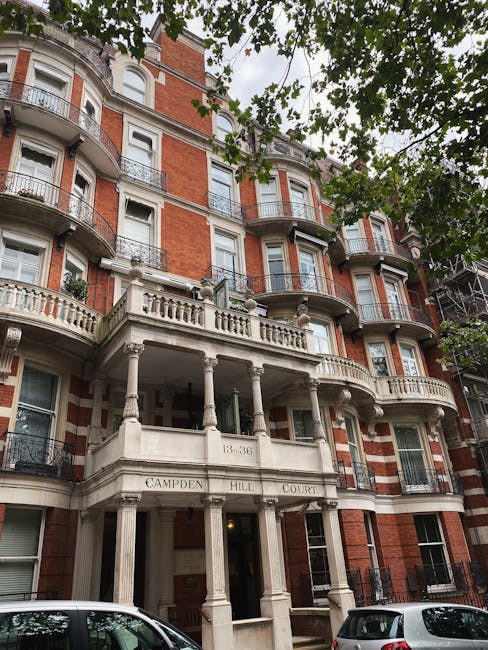
Hoarding-related clearances are not just about removing items. They often involve privacy, trust, dignity, time pressure, and the practical problem of safely working in a property that may have narrow hallways, stacked belongings, or limited clear walkways. In Notting Hill Gate, that can matter even more because many homes and flats are shared buildings, older conversions, or properties with close neighbours and limited street space.
Discretion matters for a few very simple reasons. First, it helps protect the person or family involved from embarrassment. Second, it reduces the chance of curious attention from neighbours, visitors, or passers-by. Third, it keeps the job calmer for everyone. A quiet, respectful approach tends to go better than a loud, rushed one. Truth be told, people often remember how they were treated more than how fast the van arrived.
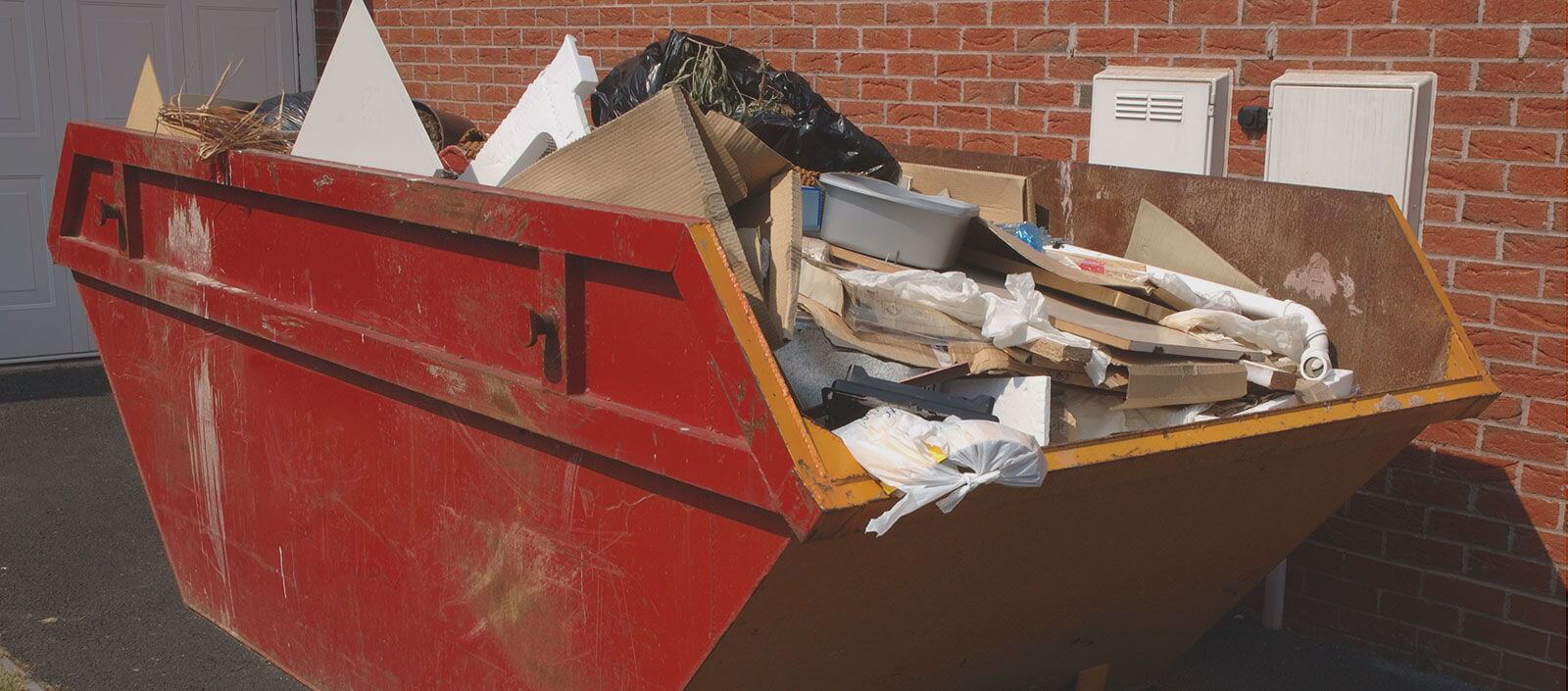
There is also a safety angle. Hoarder clearances can involve concealed trip hazards, unstable piles, broken furniture, old appliances, damp materials, mould, pests, or sharp objects. A careful team will treat the property as a work environment that needs planning, not as a simple "load and go" collection.
If the property is being prepared for a move, sale, rental, or major clean-up, the clearance may also affect timing. It can link neatly with Notting Hill home sales advice or support from this local property guide if the aim is to get a place market-ready.
How Notting Hill Gate hoarder clearances: discreet rubbish help Works
A good discreet clearance usually starts before anyone lifts a bag. The first step is a conversation about access, priorities, sensitivities, and what needs to stay private. That may be done by phone, photos, or a site visit, depending on the situation. The aim is to understand the scale of the work without making the process feel intrusive.
Once the plan is set, the team normally identifies the clearance zones, the items that must be retained, and any risks that need special care. For example, in one flat you may be dealing with general household clutter. In another, there may be furniture, white goods, old paperwork, or mixed domestic waste. A service such as domestic waste collection in Notting Hill can often form part of the wider job, while larger items may need furniture removal or appliance disposal.
The actual clearance is usually done in stages:
- Access and protection - floor coverings, lift protection, or careful movement plans where needed.
- Sorting - separating keep, remove, recycle, and special handling items.
- Loading - removing waste in manageable sections, rather than creating a large disturbance.
- Transport - taking the materials away in a suitable vehicle by a licensed carrier.
- Final sweep - leaving the space safe, tidy, and ready for the next step.
Discreet help often means avoiding unnecessary noise, keeping communication calm, and working without drawing attention. That can be as simple as parking considerately, using plain vans, or arranging arrival times that suit the building and the household. Small things, but they make a difference.
Key Benefits and Practical Advantages
The most obvious benefit is emotional relief. A space that has become overwhelming can feel like a weight on the whole household. Clearing it, even partly, can change the atmosphere immediately. People often breathe easier once a clear path appears through the room. Not glamorous, but real.
There are also practical advantages:
- Safer movement through rooms, hallways, and stairs.
- Better access for cleaning, repairs, pest treatment, or decorators.
- Lower risk of damage to floors, walls, and shared areas when items are moved properly.
- Faster property turnaround for sale, rental, or family use.
- More controlled decision-making because the job is broken into manageable stages.
For landlords, executors, property managers, and family members, discreet clearance can also reduce conflict. That matters more than people admit. When a difficult situation becomes noisy or rushed, the wrong thing can be thrown out. Calm, methodical work protects both the property and the relationships around it.
There is another less obvious benefit: a professional clearance can uncover important items that have been buried for months or years. That might include keys, documents, photographs, or sentimental objects. A careful team will know to pause, check, and ask rather than simply scooping everything into sacks. That's the sort of thing that saves headaches later.
Who This Is For and When It Makes Sense
This kind of service is not only for severe hoarding cases. It can be useful for a wide range of situations where privacy and sensitivity matter. For example:
- a family helping a parent or relative who is struggling to let go of belongings
- a landlord preparing a flat after a long tenancy with heavy accumulation
- an executor dealing with an estate that includes substantial clutter or mixed contents
- a homeowner getting ready for renovation, sale, or downsizing
- a vulnerable resident who needs assistance but wants the process handled quietly
Sometimes the decision becomes obvious because everyday life has become difficult. A kitchen might be partly unusable. A bedroom might no longer be safe to walk through. Or a hallway may have become too tight for a cleaner or electrician to enter. If that sounds familiar, a clearance may make sense even before the situation reaches crisis point.
It is also worth noting that hoarder clearance is not the same as a standard tidy-up. You are often balancing speed, care, privacy, and emotional sensitivity. So if you are comparing services, ask whether they have experience with low-disruption clearances rather than just general rubbish removal.
Step-by-Step Guidance
If you want the process to run smoothly, it helps to think in stages. A structured approach keeps things manageable and reduces surprises.
1. Start with a private conversation
Explain the situation as clearly as you can. You do not need to tell every detail, only enough for the team to understand access, scale, urgency, and any concerns. If discretion is important, say so early. A good provider will listen properly.
2. Share photos or arrange a visit
Images can help estimate volume and identify issues like stair access, heavy furniture, or mixed waste. If you prefer not to send photos, a site visit may be better. For a property in central W11, where access can be tight, that extra look is often worth it.
3. Identify what must stay
Before anything is removed, mark or separate items that need to remain. This may include documents, medication, family keepsakes, keys, or items needed for sale or probate. If possible, set aside a "do not move" area. Simple, but effective.
4. Decide on the order of work
Some rooms should be tackled first because they create access for the rest of the clearance. A hallway, front room, or kitchen may need to be opened up before the back rooms can be reached. It sounds obvious, yet this is where many rushed jobs go sideways.
5. Choose how involved you want to be
Some clients want to be present for every decision. Others prefer to step away and let the team work to a brief. Either can be fine, but it should be agreed in advance. If emotions are high, distance can help. If there are valuable items to sort, presence may be better.
6. Confirm disposal and recycling arrangements
Ask where the waste is going and whether reusable items will be separated. A responsible provider should be able to explain this clearly. If sustainability matters to you, see the company's recycling and sustainability guidance.
7. Finish with a review
Once the clearance is done, walk through the property if possible. Check that agreed items are still there and that access routes are clear. Then take a breath. The room may look very different, and sometimes that hits people emotionally. That is normal too.
Expert Tips for Better Results
There are a few things that tend to make discreet hoarder clearances go better, especially in busy parts of Notting Hill Gate where neighbours are close and access can be awkward.
- Keep the first appointment short and focused. A clear brief is better than a long emotional discussion on the doorstep.
- Use room-by-room priorities. This keeps the job moving and prevents overwhelm.
- Label key items early. Sticky notes or tape work fine. Fancy systems are not necessary.
- Allow time for pauses. In sensitive clearances, decisions can change halfway through. That is okay.
- Ask for quiet discretion measures. For instance, timed arrival, plain vehicles, or minimal signage if appropriate.
- Keep important papers together. A simple folder or box can prevent accidental loss.
One more practical tip: if the property contains a lot of mixed items, it is often better to over-communicate what should stay than to assume obvious things will be obvious. They usually are not. A family photograph tucked under a stack of old magazines can be easy to miss if nobody has mentioned it.
And yes, there will probably be a moment where someone says, "I didn't realise there was a floor here." That is not uncommon. A little humour can break the tension, as long as it stays respectful.

Common Mistakes to Avoid
Most difficulties in these jobs come from a handful of avoidable mistakes. The biggest one is starting too quickly without a plan. If the clearance begins before everyone agrees on what should stay, disputes can happen and time gets wasted.
Another common issue is underestimating the volume. A room that looks manageable from the doorway may contain far more than expected. Bags, boxes, broken items, and furniture all add up. So a proper assessment matters.
Other mistakes include:
- not mentioning access issues such as stairs, parking restrictions, or lift limitations
- choosing a provider who does not explain disposal or licensing clearly
- failing to separate sentimental or legal documents before the job starts
- trying to complete the clearance in one rushed session when several smaller visits would be safer
- ignoring the emotional strain on the person most affected
A quieter mistake is treating the job as only physical. In reality, hoarder clearances often involve grief, shame, uncertainty, or family tension. If the team understands that from the start, the whole process tends to be less fraught. That's the honest truth.
Tools, Resources and Recommendations
You do not need a complicated toolkit, but the right basics help. For a discreet clearance, useful items may include strong sacks, gloves, trolleys, dust sheets, labels, disinfectant wipes, and sturdy boxes for separating documents or keepsakes. If there is a loft involved, the needs can shift, and a dedicated loft clearance service may be the cleaner route.
If the job includes old furniture or bulky items, it can help to look at specialist pages such as furniture disposal in Notting Hill or, where relevant, builders waste disposal for mixed renovation debris. For businesses or mixed-use properties, commercial waste removal may be more appropriate.
Practical resources worth having nearby:
- a pen and labels for marking items to keep
- a notebook for decisions made on the day
- a clear contact number for the person authorising the work
- bags or boxes for documents, photos, and valuables
- basic cleaning supplies for the final tidy-up
If you want to compare the wider service options first, the main waste removal page is a good place to start. For an understanding of pricing factors, see the company's pricing and quotes information. It will help you ask better questions, which is always a win.
Law, Compliance, Standards, or Best Practice
For any waste clearance in the UK, it is wise to use a provider that can show responsible waste handling. That generally includes using a licensed waste carrier, keeping to lawful disposal routes, and separating recyclables where practical. You do not need to become an expert in regulations yourself, but you should expect clear answers.
The key point is simple: waste should not disappear into a vague system. Ask who is removing it, where it is going, and whether the company can explain its compliance approach. If a service cannot answer that in plain English, that is a warning sign.
Best practice also includes:
- respecting privacy and safeguarding sensitive personal belongings
- avoiding damage to communal areas, doors, and stairwells
- using safe manual handling techniques for heavy or awkward items
- disposing of waste through appropriate and traceable routes
- being clear about terms, timing, and payment before work begins
For reassurance on company practices, you may want to review the site's waste carrier licence and compliance, along with insurance and safety and payment and security. Those pages are not just policy pages, by the way; they tell you a lot about how seriously a provider takes the work.
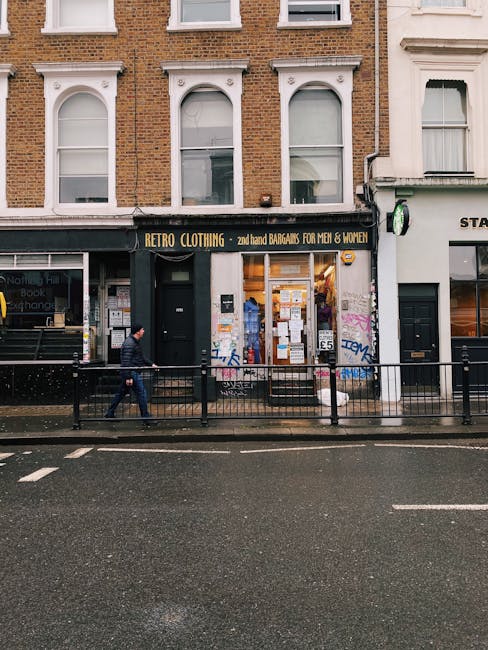
For readers exploring the area, local context can matter too. Notting Hill Gate is busy, residential, and well connected, with a mix of flats, conversions, and period homes. That makes discreet scheduling and careful access planning especially useful. Nearby guides such as local advice for potential residents and this walk-through of Notting Hill streets help show why low-disruption work is so important in the neighbourhood.
Options, Methods, or Comparison Table
Not every situation needs the same approach. Some clearances benefit from a single-day intervention. Others need a phased plan with a return visit. Here is a simple comparison to help you think it through.
| Method | Best for | Advantages | Possible drawbacks |
|---|---|---|---|
| One-day discreet clearance | Moderate volume, urgent access needs | Fast, simple, fewer visits, less disruption | Can feel intense if the property is very full |
| Phased clearance | Highly sensitive cases or very full homes | More control, less emotional pressure, safer sorting | Takes longer and needs clear coordination |
| Room-by-room clearance | Homes where priorities are clear | Easy to track progress, easier to protect valuables | May not solve access issues immediately |
| Mixed waste and furniture removal | Clutter plus bulky items | Efficient for large items, tidy outcome | Needs good planning if access is tight |
If the property includes outdoor clutter too, a separate garden waste removal service may help keep the main clearance cleaner and more focused. That kind of split approach is often easier on everyone.
Case Study or Real-World Example
Here is a realistic example. A small Notting Hill Gate flat needed clearing before a family member returned from hospital. The hallway was narrow, the front room was partly blocked, and the client wanted the whole process handled without alerting neighbours more than necessary. Nothing dramatic, just a very private situation that needed care.
The team began with photos and a short visit, then agreed a room order that opened the hallway first. Items were sorted into keep, remove, and review piles. Important documents were placed in a separate box. A bulky wardrobe and old sofa were taken out first so that access improved immediately. The work was done quietly, with careful loading and a final sweep at the end.
What made the difference was not speed alone. It was the tone. The client knew what was happening, when it would happen, and what would be left untouched. By late afternoon, the flat was safer to move through, and the family could focus on the next steps instead of the clutter. Small relief, big impact.
That kind of result is why discreet rubbish help matters. It is not about drama. It is about making a stressful moment more manageable.
Practical Checklist
Use this before booking or starting a clearance:
- Confirm the address, access details, and any parking restrictions
- Explain whether discretion is essential
- List items that must stay in the property
- Decide who has authority to approve decisions on the day
- Ask whether the provider is licensed and insured
- Check how waste, furniture, and appliances will be handled
- Clarify whether recycling or donation routes are used where suitable
- Set a realistic time window for the work
- Prepare boxes for paperwork, valuables, and sentimental items
- Take photos before work begins, if useful
- Confirm pricing and payment expectations in advance
- Review the space after the clearance and note any follow-up needs
Practical takeaway: the smoother a sensitive clearance is before it starts, the calmer it usually feels on the day. A little prep goes a very long way, honestly.
Conclusion
Discreet hoarder clearance is really a service about care, privacy, and restoring order without making a difficult situation feel exposed. In Notting Hill Gate, where homes are often close together and access can be tricky, that quiet, respectful approach is especially valuable. Whether you are helping a family member, preparing a property, or simply trying to get a safe space back, the right support can make the process feel far less overwhelming.
Focus on clear communication, licensed disposal, sensible pacing, and a team that understands the human side of the job as well as the practical side. That combination tends to produce the best outcome. Not perfect. Just better, calmer, and much more manageable.
If you are planning next steps, take a moment to review the wider service details, check what fits your situation, and move at a pace that feels right for you. Little by little, the space can come back.
Get a free quote today and see how much you can save.