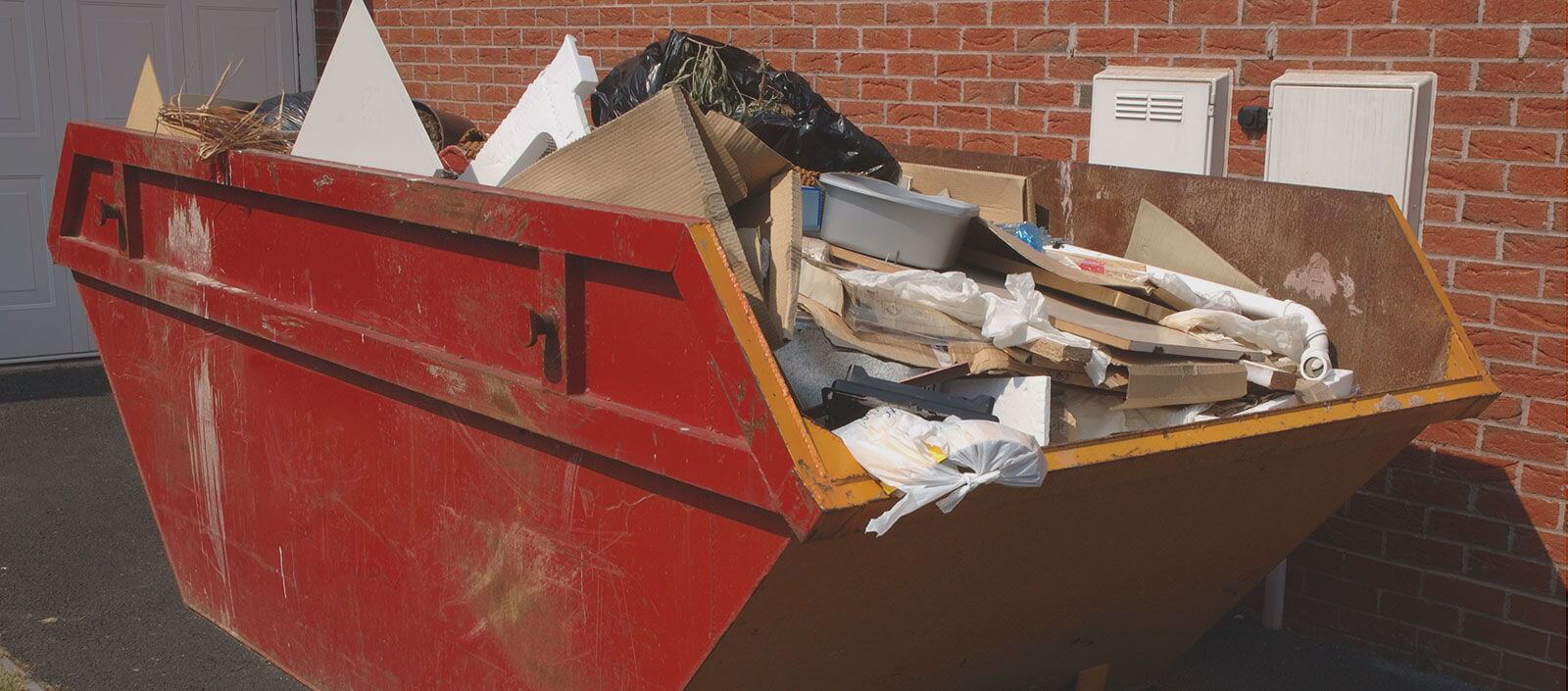
Skip hire vs man-and-van: Which saves Notting Hill residents?
Posted on 14/06/2026

For many Notting Hill residents, the real question is not simply how to get rid of waste, but how to do it without paying more than you need to. Between tight mews streets, permit worries, and the simple hassle of lifting heavy items, the choice between skip hire and a man-and-van service can feel a bit more complicated than it first looks. The honest answer? It depends on the volume, access, timing, and how much effort you want to spend yourself.
In this guide, we break down skip hire vs man-and-van: Which saves Notting Hill residents? in plain English. You will see where each option makes sense, where the hidden costs usually appear, and how to choose the more economical route for real-life jobs like loft clear-outs, furniture removal, garden waste, and renovation debris. We will also cover local considerations that matter in London, because in Notting Hill, the street outside your front door can change the whole equation.
- Why this choice matters in Notting Hill
- How skip hire and man-and-van services work
- Benefits and practical advantages
- Who each option suits best
- Step-by-step decision guide
- Expert tips for saving money
- Mistakes to avoid
- Tools, resources and recommendations
- Compliance, safety and best practice
- Comparison table
- Real-world example
- Practical checklist
- Conclusion
- Frequently asked questions
Why Skip hire vs man-and-van: Which saves Notting Hill residents? Matters
On paper, skip hire sounds straightforward: a container arrives, you fill it, and it gets taken away. Man-and-van sounds equally simple: a team arrives, loads everything, and leaves the space tidy. But if you live in Notting Hill, those neat descriptions can blur fast once you factor in narrow roads, parking limits, front-garden access, basement flats, shared entrances, and the reality that not every property can comfortably host a skip.
Money is only part of the story. Time matters too. So does convenience. And if you are clearing items from a top-floor flat, paying for a skip that sits outside for days while you carry bags down stairs may not be the bargain it first appears. On the other hand, if you are doing a bigger home project and can fill a skip over a weekend, a man-and-van service may become more expensive because the team has to make repeated loading trips, or return for a second load. Bit of a trade-off, really.
Residents also need to think about local disruption. A skip may affect neighbours, pedestrians, and parking. A man-and-van team may be quicker and less intrusive, but you still need reliable waste handling and, ideally, a provider who understands local access issues. For readers comparing broader waste options, it can help to understand the full range of waste removal services available in Notting Hill before deciding what is actually most economical.
Key point: the cheapest headline price is not always the cheapest total cost. In Notting Hill, access, labour, speed, and disposal efficiency often change the final number more than people expect.
How Skip hire vs man-and-van: Which saves Notting Hill residents? Works
The two services work very differently, and that difference matters to your wallet.
Skip hire in simple terms
A skip hire booking usually means a container is delivered to your property or placed nearby for a fixed period. You load waste yourself. The company then collects it later. The appeal is obvious: if you have plenty of rubbish and enough time to fill it gradually, the arrangement can feel efficient.
But there are catches. You may need to arrange space for the skip, consider whether a permit is required for placement on a public road, and think about what can and cannot go in it. Skips are also not ideal for mixed, awkward items if you are working alone and need help lifting. A skip is a container, not a solution to the physical task.
Man-and-van in simple terms
A man-and-van service is more hands-on. A team comes to your address, loads items for you, and transports them away. For many Notting Hill residents, that extra labour is the whole value proposition. You are not just paying for collection; you are paying for lifting, carrying, and speed.
This is often especially useful for bulky waste, flat clearances, old furniture, or situations where you cannot leave waste outside for any length of time. If you need a quicker collection for mixed household items, services such as rubbish collection in Notting Hill are often easier to fit around busy city living.
There is also a practical side to man-and-van work that people like: no long wait while a skip sits outside, no guessing whether the container will fit, and usually less manual effort for you. To be fair, if your knees or back are already complaining, that alone can tip the scales.
Key Benefits and Practical Advantages
Choosing the right option is mostly about matching the service to the job. Here is where each one tends to shine.
When skip hire can save money
- Large, predictable volumes: If you know exactly how much waste you have and can fill the skip efficiently, the unit cost may be lower.
- Ongoing projects: Renovations, decluttering over several days, or garden work with steady waste output can suit a skip well.
- Self-loading: If you are able to do the lifting yourself, you are not paying for labour, which can reduce the overall spend.
- Flexible timing: Some residents like the ability to fill a skip at their own pace rather than booking everything into one appointment.
When man-and-van can save money
- Small to medium loads: A half-full skip can become poor value very quickly.
- Bulky furniture: One or two awkward items are often cheaper with a loaded collection than with a skip left sitting outside.
- No parking space: If you cannot host a skip safely, the alternative may avoid permit or placement issues.
- Fast turnaround: For last-minute clear-outs, a man-and-van team can be far more practical than arranging delivery and collection days apart.
There is a comfort factor too. Residents clearing a flat after a move, or dealing with an inherited property, often want the job done quickly and discreetly. In those cases, the best value is not just the cheapest invoice; it is the option that reduces stress and avoids repeat handling. If you are dealing with larger household contents, house clearance in Notting Hill may be the cleaner comparison point than hire-or-van alone.
Who This Is For and When It Makes Sense
Different Notting Hill residents face different waste problems. A young professional clearing a one-bedroom flat does not need the same solution as someone refurbishing a townhouse kitchen. Let's look at the most common scenarios.
Skip hire tends to suit:
- Homeowners with a driveway or private space
- Renovation projects with a steady flow of builder's waste
- Garden jobs producing a lot of soil, branches, and green material
- Residents who can load waste themselves without much difficulty
Man-and-van tends to suit:
- Flat residents without good skip access
- Households removing bulky items, furniture, or white goods
- People who need a same-day or quick collection
- Anyone who wants the lifting done for them
For some jobs, the matter is obvious. For example, old wardrobes, mattresses, or a broken washing machine are often easier to shift through furniture removal in Notting Hill or appliance disposal in Notting Hill than by organising a skip and dragging everything out yourself. For others, like a garage clear-out or a patch of garden waste, a skip may still be the cheaper answer if you can fill it well.
One small reality check: if you are only half-surplus of rubbish, the cheaper-looking option can become expensive fast. Underfilled skips are classic budget drifters. Very common. Slightly annoying.
Step-by-Step Guidance
If you want a proper answer, not just a vague "it depends," use this method. It works well for Notting Hill properties because access and time are usually the deciding factors.
- List everything you need removed. Separate furniture, bags, rubble, garden waste, and appliances. Mixed waste often changes the best option.
- Estimate the volume honestly. Half a transit van, a full van, a small skip, a large skip - rough is fine, but do not guess wildly.
- Check your access. Is there room for a skip? Can a van park close enough? Are there stairs, gates, or tight corners?
- Think about lifting. If you will need help carrying heavy items, labour becomes a real cost consideration.
- Consider your schedule. Can you spend several days loading a skip, or do you need same-day removal?
- Compare the full cost. Include hire period, labour, collection timing, and any likely extras.
- Choose the option that reduces total hassle, not just upfront spend. In many city homes, hassle is money in disguise.
If you want to benchmark against local pricing before deciding, it is sensible to review pricing and quotes guidance so you understand what is usually included and what should be clarified before booking. A decent provider should be clear about the scope from the start.
Practical tip: take photos of the waste before you request a quote. It saves time, avoids surprises, and helps the provider give a more accurate answer. Honestly, this one tiny habit saves a lot of back-and-forth.
Expert Tips for Better Results
Over the years, the same little savings tricks tend to come up again and again. Nothing magical, just sensible habits.
- Sort your waste before comparing prices. Clean wood, garden waste, furniture, and mixed rubble can all price differently.
- Bundle similar jobs together. If you are clearing a bedroom and a loft at the same time, one organised collection may be better value than two separate calls.
- Measure access in advance. Notting Hill terraces and mansion blocks can be charming, but charming does not always mean easy for a skip lorry.
- Use your space well. A skip only saves money if it is filled properly. Flat-pack waste and broken-down cardboard help more than people think.
- Ask whether labour is included. With man-and-van, the labour element is often the whole point; with skip hire, it is usually on you.
For residents with specific waste streams, it can also help to use the matching service rather than a general one. Garden waste from a terrace in Ladbroke Grove, for example, is not the same as builder's rubble from a bathroom refit. If that is your situation, garden waste removal in Notting Hill is often a better fit than a container sitting in the street for a week.
And a small but real tip: avoid arranging collection when access is likely to be at its worst - school run times, busy weekend parking, or the moment your neighbour is also moving a sofa. London can be wonderfully cooperative, but not always in a hurry.

Common Mistakes to Avoid
The most expensive mistakes are usually not dramatic. They are the quiet little oversights that creep into the plan.
1. Choosing on price alone
A cheaper skip rate can be undermined by a longer hire, permit hassle, or underuse. A cheap man-and-van quote can become less attractive if it excludes labour or assumes easy access that your property simply does not have.
2. Underestimating waste volume
People often think "it's only a few items" and then discover that a dismantled bed, two wardrobes, and some bags of mixed waste fill the van. Equally, others book a skip for a modest clear-out and end up paying for more space than they need.
3. Forgetting access and parking realities
Notting Hill roads are not always forgiving. If a skip cannot be placed conveniently, the economics may change completely. A man-and-van team may be cheaper simply because the logistics are cleaner.
4. Not clarifying what can be taken
Some items need special handling. White goods, mattresses, and certain construction waste can change the method or cost. Ask first. Saves the headache later.
5. Leaving it until the last minute
Urgency usually narrows your options. The more time you have, the more likely you are to get the better-value choice. If you are in a rush, a same-day solution such as 24/7 emergency rubbish collection in Notting Hill may be far more sensible than trying to organise a skip that arrives too late.
Truth be told, haste is where budgets go to die.
Tools, Resources and Recommendations
You do not need a pile of complicated tools to make a good choice. A few practical checks are enough.
- Phone camera: Photograph the waste from a few angles for a better quote.
- Measuring tape: Useful if you are working out whether a skip or van can fit close to the property.
- Simple inventory list: Write down the biggest items first, then smaller bags and loose waste.
- Access notes: Mention stairs, loading distance, parking restrictions, and any awkward entry points.
- Project timing: Know whether your waste is a one-off load or spread across several days.
For background reading on how the area works and what everyday life is like around it, local context can help you judge practicality too. Guides like local advice for potential residents and roaming the streets of Notting Hill are useful for understanding the rhythm of the neighbourhood - and why access and timing often matter more here than in a quieter suburb.
If your decision is tied to a move, sale, or renovation, broader property timing matters too. In some cases, it is worth reading about Notting Hill home sales or a property smart investment guide before planning the clear-out. That way, your waste removal aligns with the bigger project rather than fighting it.

Law, Compliance, Standards, or Best Practice
Waste removal in the UK is not just about convenience. It also has a duty-of-care element, which means you should use a responsible carrier and make sure waste is handled properly. You do not need to become an expert in regulations, but you should expect clear, lawful disposal and appropriate handling of different waste types.
For residents, the main best-practice points are simple:
- Use a waste carrier that can demonstrate compliance.
- Make sure waste is taken to suitable facilities rather than dumped or mishandled.
- Separate items where a specialist route is more appropriate.
- Be cautious about anyone offering suspiciously cheap collection with no paperwork or clarity.
If you are comparing providers, look for clear explanations of how waste is handled, how safety is managed, and what happens to recyclable material. A sensible place to start is the company's own waste carrier licence and compliance information, plus its recycling and sustainability approach. That is not overkill. It is just good due diligence.
Insurance matters too. If waste is being carried through communal spaces, up stairs, or from a busy road, you want to know the operator takes safety seriously. For a clearer picture, review insurance and safety details before you book. A little caution upfront can prevent a lot of awkwardness later.
Options, Methods, or Comparison Table
Here is the simple comparison most Notting Hill residents actually need.
| Factor | Skip hire | Man-and-van |
|---|---|---|
| Best for | Large, steady, self-loaded waste | Bulky items, quick clearances, labour-heavy jobs |
| Upfront cost | Often looks lower for bigger volumes | Can be lower for small or medium loads |
| Labour | You usually load everything yourself | The team loads it for you |
| Access needs | Needs space for placement and possibly a permit | Needs parking and loading access, but usually less footprint |
| Speed | Can be slower because of delivery and collection timing | Often quicker and more flexible |
| Risk of overspending | High if the skip is underfilled or the job is small | High if the load is huge and needs multiple trips |
| Convenience | Good if you can work at your own pace | Good if you want the lifting handled for you |
Short version: skip hire tends to save money when the waste volume is large and predictable; man-and-van tends to save money when the load is smaller, access is awkward, or labour is the bigger issue. That is the bit people usually miss.
Case Study or Real-World Example
Consider a typical Notting Hill flat clear-out. A resident is moving from a top-floor apartment near busy streets, with no driveway, limited kerb space, and a stairwell that makes carrying heavy furniture awkward. The job includes a mattress, a wardrobe, a small sofa, several bags of mixed household waste, and a couple of broken shelves.
At first glance, a skip looks tidy. But then the practical questions start: where does it go, how long can it stay there, will the street placement work, and who is doing the lifting? A skip might still be possible, but the total cost can creep up once access and load timing are considered.
Now compare that with a man-and-van collection. The team arrives, loads the bulky items, handles the carrying, and takes everything away in one visit. For this sort of clear-out, that approach can save money simply because it avoids wasted space and repeated effort. The resident pays for the service they actually need, not a container that sits outside and grows lonely in the rain.
By contrast, imagine a refurbishment with bags of plasterboard, old timber, packaging, and debris generated over several days. If the property has room for a skip and the resident can load it steadily, skip hire may become the better-value option. The economics shift because the container is used properly. No magic, just matching the method to the job.
That is the heart of it. The cheaper choice is the one that fits your specific waste pattern, not the one with the flashier headline.
Practical Checklist
Use this before you book anything.
- Have you listed every item that needs removing?
- Do you know whether the waste is mixed, bulky, heavy, or mostly one material type?
- Can your property realistically accommodate a skip?
- Is parking or loading access straightforward enough for a van?
- Will you be able to load items yourself, or do you need help?
- Is the job one-off, or will waste build up over several days?
- Have you compared the full cost, not just the advertised base price?
- Do you know whether any special handling is needed for certain items?
- Have you checked that the provider explains compliance, safety, and disposal clearly?
- Would a specialist option be better for furniture, appliances, or garden waste?
If you can tick most of these off, your decision will be much easier. And if not, that is fine too. Better to pause for ten minutes now than spend twice as much later.
Get a free quote today and see how much you can save.
Conclusion
So, skip hire vs man-and-van: which saves Notting Hill residents? The answer is not fixed, but the pattern is clear. Skip hire usually wins when you have a large, steady volume of waste, enough access, and the ability to load everything yourself. Man-and-van usually wins when the job is smaller, more awkward, more urgent, or physically demanding.
For Notting Hill in particular, access is often the hidden decider. Narrow streets, parking pressure, and multi-storey homes can make a container less convenient than it first appears. Meanwhile, a well-organised collection team can often save both time and money by removing the hassle in one go.
If you remember only one thing, let it be this: compare the total cost of the whole job, not just the advertised service. That is where the real savings are hiding.
And once the clutter is gone, the room feels bigger, lighter, calmer. Funny how that always happens.