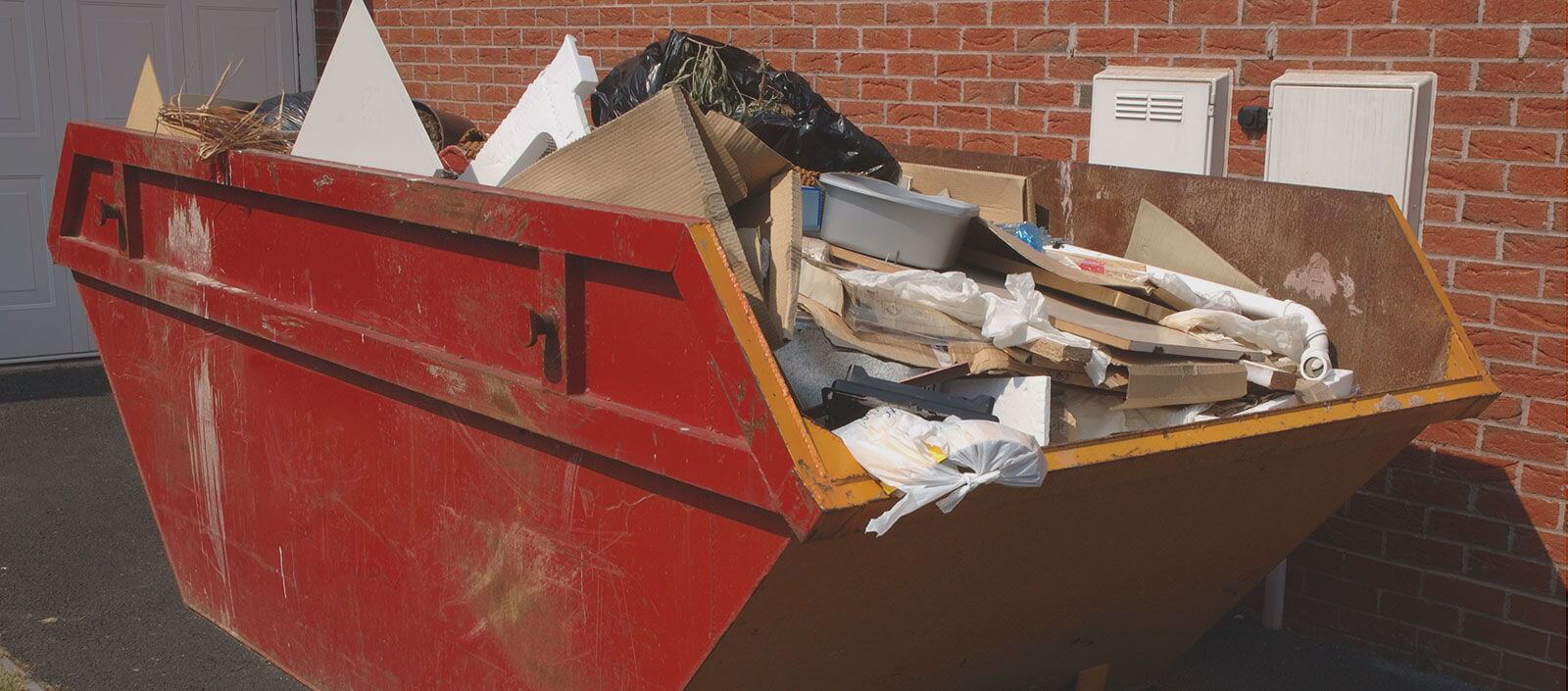
W11 bulky waste pickup: prices & what we'll collect
Posted on 21/05/2026
W11 bulky waste pickup: prices & what we'll collect
If you have an old sofa blocking the hallway, a broken wardrobe in the spare room, or a pile of mixed junk that has quietly grown over a few months, you are probably looking for a straightforward answer: what does W11 bulky waste pickup cost, and what can actually be collected? That's the real question. Not the theory, not the fluff. Just the practical bits that help you get the job done without wasting time or money.
This guide breaks it all down in plain English. You'll see how bulky waste collection works in W11, what tends to affect the price, which items are usually accepted, what gets refused, and how to avoid the small mistakes that make a simple collection turn into a headache. Along the way, we'll also point you to useful local service pages like pricing and quotes, our services overview, and waste carrier licence and compliance so you can check the details properly before you book.
Truth be told, bulky waste is one of those jobs that looks simple until you start lifting. A mattress that seemed light becomes awkward on a narrow staircase; a dismantled wardrobe still eats up half a landing. That's why knowing what's included, and what the likely costs are, makes such a difference.

Why W11 bulky waste pickup: prices & what we'll collect matters
Bulky waste isn't just "rubbish in large sizes". It usually means items that are too awkward, heavy, or bulky for normal household bins and day-to-day collection. In a busy part of West London like W11, that matters even more. Streets can be tight, parking can be limited, and carrying large items down stairs or across a shared mews can be a proper task.
When people search for bulky waste pickup, they usually want three things at once:
- a clear idea of the price,
- a reliable list of what will be collected, and
- confidence that the collection will be handled legally and responsibly.
That third point is easy to overlook, but it matters. Waste handling in the UK is not something you want to get wrong. A professional operator should be able to explain what happens to your items, whether they are reused, recycled, or disposed of properly. If that matters to you, have a look at our recycling and sustainability page too.
There's also a practical side. Leaving bulky waste in a hallway "for later" usually means it stays there. That box of old electronics, the cracked coffee table, the dead fan from last summer... it all builds up. And, let's face it, clutter gets under your skin after a while. You notice it every time you walk past.
A good bulky waste pickup service helps you clear the space quickly, avoid injury, and skip the back-and-forth of arranging multiple disposal trips. That is the real value. Not just removal, but time back.
How W11 bulky waste pickup: prices & what we'll collect works
Most bulky waste pickups follow a fairly simple process, but the details matter. In practice, the price is usually based on the type, volume, weight, access, and disposal requirements of the items involved. A single bedside table is one thing. A three-piece sofa, a bed frame, and two wardrobes from a top-floor flat is another story altogether.
Here's the basic flow:
- You describe the items. A clear list, with photos if possible, helps determine the likely size of the job.
- The collection is quoted. Pricing may reflect the amount of waste, the labour required, and whether dismantling is needed.
- A time is arranged. Good planning matters in W11 because access can be a little fiddly, especially around busier roads and shared entrances.
- The team removes the items. This often includes carrying items from inside the property, though you should confirm access expectations in advance.
- The waste is sorted. Recyclables, reusable materials, and disposal-only waste are handled accordingly.
What is collected depends on the provider, the condition of the item, and whether the item is safe to move. Most services will collect common household bulky items such as sofas, mattresses, wardrobes, tables, chairs, appliances, and general oversized household clutter. Some jobs also cover builders' leftovers, but that should be arranged under a specific service like builders waste disposal in Notting Hill rather than assumed as part of a standard bulky pickup.
Price-wise, be wary of vague promises. A cheap headline number may not include labour, parking challenges, stairs, or extra items. The best approach is a quote based on the actual job, not a guess. You can read more about that approach on our pricing and quotes page.
One small but useful detail: if your waste includes a mix of furniture, appliances, and general household rubbish, the most accurate quote comes from describing the whole pile, not just the biggest item. The odd lamp or broken chair can change the load more than people expect. Strange, but true.
Key benefits and practical advantages
Bulky waste pickup is about convenience, yes, but there are several other benefits that are easy to miss when you are focused on getting rid of one annoying item.
- Less lifting and less risk. Big items are awkward. A mattress bent around a staircase bannister can be more dangerous than it looks.
- Faster clearance. One booked collection can remove what would otherwise take several trips to a reuse or disposal point.
- Cleaner living space. Clearing one bulky item often triggers a bigger reset. You notice the room feels different straight away.
- Better for busy households. If you work odd hours or juggle family life, a scheduled pickup is simply easier.
- Improved property presentation. This is especially useful if you are preparing for a move, rental inspection, sale, or refurbishment. Our related guide on Notting Hill home sales touches on why a tidy property can make a very real difference.
There is also a quieter benefit: mental relief. People often say they did not realise how much the clutter was bothering them until it was gone. A hallway feels wider, a spare room becomes usable again, and suddenly the place breathes a little more. It sounds minor. It isn't, really.
If you are dealing with a full room rather than a single item, a broader service such as house clearance in Notting Hill or loft clearance may be more efficient than a one-off bulky pickup. That's worth considering before you book.
Who this is for and when it makes sense
This service suits a pretty wide range of people. If you are wondering whether it is "for you", the answer is often yes.
- Homeowners replacing old furniture or clearing space in a bedroom, garage, or loft.
- Renters who need to clear bulky items before moving out or after a tenancy.
- Landlords and letting agents dealing with items left behind after a move.
- Small businesses that need occasional removal of office furniture or old equipment. If that sounds closer to your situation, our office clearance and commercial waste removal pages are worth a look.
- People renovating who need to move out damaged furniture, old units, or leftover materials.
It also makes sense when the item is too large for a standard bin collection but not large enough to justify a full clearance. That middle ground is exactly where bulky waste pickup works best.
There are a few situations where you should pause and check first. For example, if the item contains hazardous components, sharp edges, leaking fluids, or electrical issues, it may need special handling. Old fridges, freezers, and certain appliances can fall into that category. See our white goods and appliance disposal page for a more specific breakdown.
And if your items are mainly outdoor cuttings, soil, or hedge trimmings, a dedicated garden waste removal service may be a better fit. Matching the service to the waste type usually keeps the price cleaner too.
Step-by-step guidance
If you want the smoothest possible pickup, it helps to think like a dispatcher for a minute. A little preparation saves a lot of friction later.
- List everything you want removed. Include furniture, appliances, bags, loose bits, and anything attached to the main item.
- Take photos from a few angles. One shot from the door, one close-up, and one showing the access route can be enough.
- Measure the biggest items. Height, width, and whether they are already dismantled matters more than people think.
- Check the access route. Stairs, lifts, narrow hallways, and parking restrictions all shape the collection process.
- Ask what is included in the quote. Labour, loading, disposal, and possible extras should be clear.
- Confirm timing and arrival window. In a busy area, it is sensible to allow a little flexibility.
- Prepare the items if needed. Empty drawers, remove loose contents, and separate anything you want to keep.
In real life, the hardest part is usually not the pickup itself. It's the organising. One quick photo and a decent description can prevent a surprising amount of back-and-forth. If you have ever tried to explain a "large beige unit thing" over email, you will know what I mean.
If you are unsure whether an item qualifies as bulky waste or standard rubbish, a page like rubbish collection in Notting Hill can help you compare the two. For mixed waste, the difference between a simple collection and a more complex removal is often in the details, not the headline.
Expert tips for better results
After handling a fair number of jobs like this, a few patterns keep showing up. Small decisions at the start usually make the biggest difference.
- Disassemble when you can. A flat-pack wardrobe in pieces is often easier and cheaper to remove than one stubborn assembled lump.
- Group items by room. This makes the load easier to assess and avoids missed pieces.
- Be precise about access. "Second floor, no lift, narrow stairwell" is much better than "easy access" if easy access is not actually easy.
- Separate reusable items. If something can be reused, say so. It can affect how it is sorted and may help reduce waste.
- Book before the room becomes unmanageable. A small pile is easier to remove than a full storage battle. Sounds obvious, but people let it grow, then regret it later.
One particularly useful tip: if you have a sofa and a mattress, mention the condition of both. Fire labels, structural damage, damp, and embedded stains can matter in how they're handled. Not every collection is the same, and honesty upfront tends to make the whole process cleaner.
Also, if you are planning a larger room reset, consider pairing bulky pickup with a broader clearance plan. For example, a furniture removal job may be more efficient if you also clear a few extra pieces from the same room. Our furniture removal and furniture disposal pages explain the difference.
Common mistakes to avoid
Most problems with bulky waste pickup are avoidable. A few simple mistakes crop up again and again.
- Assuming everything can be taken. Some materials, especially hazardous or contaminated waste, may be excluded.
- Giving a vague description. "A lot of stuff" is not enough for a proper quote.
- Forgetting access issues. Parking, loading distance, or stairs can affect the job.
- Leaving contents inside furniture. Drawers, shelves, and hidden items can add weight and time.
- Mixing item types without mentioning it. Furniture, garden waste, and appliances may need different handling.
- Not checking company credentials. A reputable provider should be clear about compliance and waste transfer practices.
Another mistake is choosing a service only on the cheapest number. That can work out fine, but not always. If the price looks unusually low, ask what is included. Is the quote for kerbside only? Does it include lifting from inside? Are there extra fees for stairs? These are not nit-picks. They matter.
If you are comparing services, our general waste removal page is a useful reference point for the broader service family.
Tools, resources and recommendations
You do not need specialist equipment for most bulky waste pickups, but a few simple tools make preparation easier.
- Measuring tape for checking large furniture and lift or stair clearance.
- Phone camera to document the items and access route.
- Marker pen and tape to label items you want kept or removed.
- Basic gloves if you are moving smaller pieces ahead of the collection.
- Flathead screwdriver or hex key for simple dismantling jobs.
For related reading, the following pages can help you make a more informed decision before booking:
- about us for background on the company and approach
- insurance and safety for practical reassurance
- payment and security if you want to understand how transactions are handled
- recycling and sustainability if disposal method matters to you
- domestic waste collection for everyday household waste support
If you are new to the area, or simply want a better sense of the local context before arranging a pickup, our community pages like local advice for potential residents and roaming the streets of Notting Hill add a bit of useful flavour. Not essential for waste removal, admittedly, but sometimes helpful if you are moving, selling, or settling in.
Law, compliance, standards, or best practice
For any waste collection service in the UK, compliance is not just a nice extra. It is part of doing the job properly. At a practical level, you want a provider that can explain how waste is collected, transported, and handed over for recycling or disposal.
A few best-practice points matter here:
- Use a licensed waste carrier. This helps reduce the risk of your waste being fly-tipped or handled badly.
- Ask about documentation. Waste transfer records and clear item descriptions are normal professional practice.
- Keep hazardous items separate. If something could require special handling, mention it before collection day.
- Choose responsible disposal routes. Reuse and recycling should be considered where possible.
If you want to check the company's compliance details in more depth, the waste carrier licence and compliance page is the right place to start. That's the sort of page people often skip, then wish they hadn't. A little due diligence goes a long way.
And yes, it is perfectly reasonable to ask questions. What happens to the items? Are they recycled where possible? Is there anything you should remove before collection? Good operators expect those questions. They should answer them clearly.
Options, methods, or comparison table
There are several ways to deal with bulky waste. The best choice depends on time, access, item type, and how much lifting you want to do yourself.
| Option | Best for | Typical advantages | Potential drawbacks |
|---|---|---|---|
| Professional bulky waste pickup | Single items or small-to-medium loads | Fast, convenient, handled for you | Price depends on access and load size |
| Council bulky waste collection | Non-urgent household items | Can be cost-effective | May have waiting times, item restrictions, or set collection rules |
| DIY disposal | People with a suitable vehicle and spare time | Direct control over timing | Heavy lifting, transport logistics, disposal site rules |
| Full clearance service | Multiple rooms, lofts, or large accumulations | Best for bigger jobs and mixed waste | More expensive than a single-item pickup |
There is no single right answer. A one-off sofa removal is rarely worth turning into a whole-day vehicle mission. On the other hand, if you are clearing several rooms, a clearance service may be better value than arranging multiple individual pickups. This is where a quick call or quote request saves trouble.
For furniture-heavy jobs specifically, the article on Westbourne Grove furniture removal rates and timings is a useful nearby reference if you are comparing local service expectations.
Case study or real-world example
A fairly typical W11 scenario looks like this: a resident in a two-bedroom flat needs an old sofa, a broken desk, a bed frame, and two bags of general household clutter removed before new furniture is delivered. Nothing dramatic. Just awkward, bulky stuff that has been hanging around for too long.
They send photos in the morning, including the stairwell and the front entrance. The quote reflects the fact that the property is on an upper floor and the sofa is bulky but still manageable. The collection is scheduled for the same week, the team removes the items from inside the flat, and the space is cleared in one visit. Simple, but effective.
What made that job go well? Three things:
- clear photos,
- honest access details, and
- a realistic description of the load.
There was nothing fancy about it. No magic. Just a straightforward process done properly. And to be fair, that's what most people want. No drama, no guessing, no surprises at the door.
If the same resident had also been clearing a storage cupboard, a loft corner, and leftover packaging from a renovation, a broader service such as loft clearance or even builders waste disposal might have been the smarter move. Matching the service to the job is where savings often come from.
Practical checklist
Use this quick checklist before your collection day. It saves time, and honestly it keeps things calmer.
- List every item you want removed.
- Take clear photos of the items and access route.
- Measure the biggest pieces if access looks tight.
- Check whether anything needs dismantling.
- Remove personal items, drawers, and loose contents.
- Separate anything you want to keep.
- Tell the provider about stairs, lifts, parking, or restricted access.
- Ask what is included in the price.
- Confirm whether the items are accepted as standard bulky waste.
- Keep hazardous or questionable items flagged clearly.
Expert summary: the best bulky waste pickup is the one that is accurately described, legally handled, and matched to the actual load you need removed. If you get those three things right, the rest tends to fall into place.
Get a free quote today and see how much you can save.
Conclusion
W11 bulky waste pickup is at its best when it solves a very ordinary problem quickly: a sofa that needs to go, a bed frame that has overstayed its welcome, or a cluster of awkward items that you do not want to wrestle down the stairs yourself. The main thing is to understand what affects price, what can be collected, and how access or item type may change the job.
If you prepare well, you usually avoid the common frustrations: vague quotes, last-minute surprises, and items that turn out not to be included. The good news is that most of this is easy to control. A few photos, a clear description, and a sensible service choice go a long way.
And if you are still comparing options, take your time. The right pickup should feel straightforward, not stressful. That's the whole point, really.
For a proper next step, review the service details, check compliance information, and get a tailored quote that matches your actual items and access conditions. A clean room and a clear floor have a way of changing the mood at home. Sometimes that's exactly the reset you need.