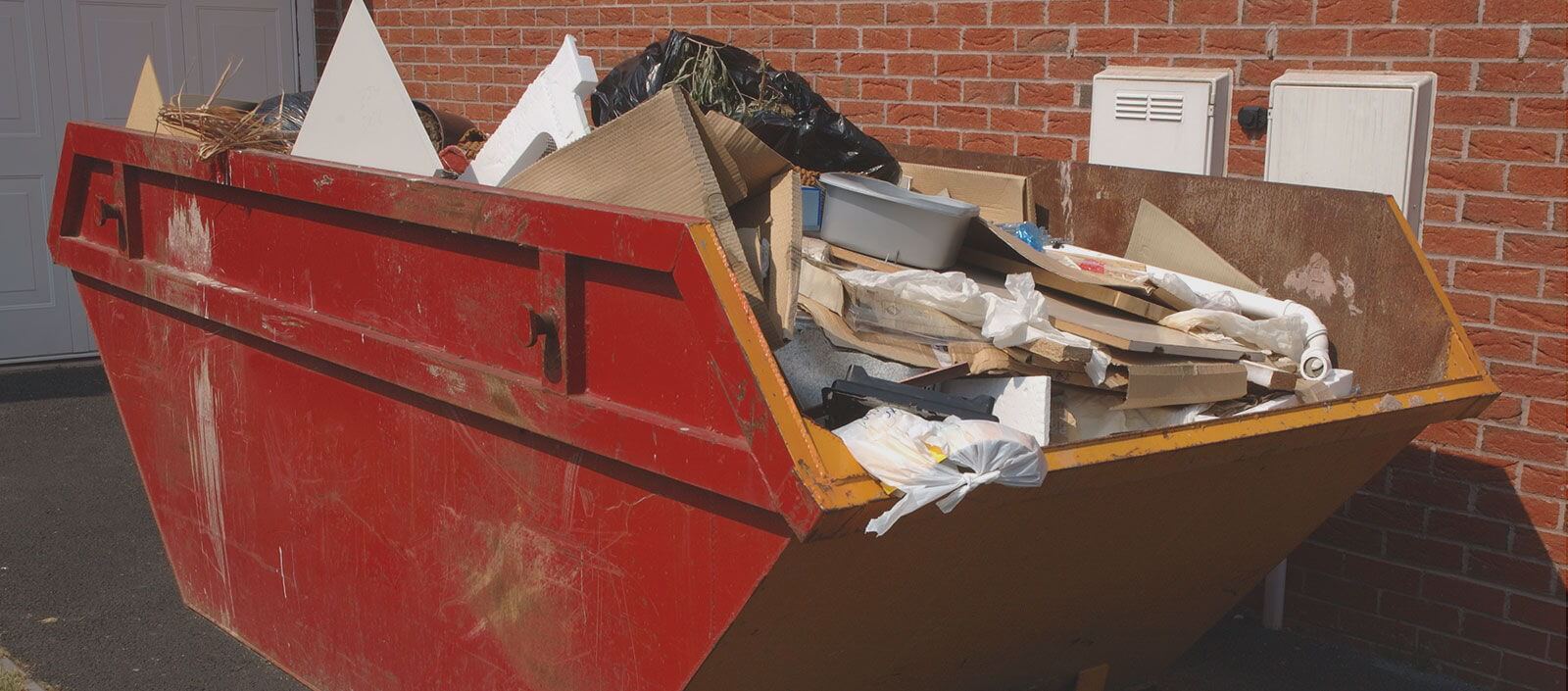
W11 Victorian terrace clearance: before & after case study
Posted on 19/10/2026

W11 Victorian terrace clearance: before & after case study
Victorian terraces in W11 have a charm all of their own, but let's face it, they can also hide a surprising amount of stuff. Old furniture in the front room, boxes in the loft, a bit of builders' rubble at the back, maybe a few appliance leftovers tucked in a hallway that feels narrower than it should. This W11 Victorian terrace clearance: before & after case study looks at what actually changes when a clearance is handled properly: the space, the stress level, the access, and the amount of time you get back.
If you are weighing up a house clearance, planning a move, or trying to reclaim a terraced property before renovation, this guide walks you through the process in plain English. You will see why these properties need a different approach, what a good clearance looks like, where people trip up, and how to judge whether you are getting a thorough, careful job rather than a rushed sweep-through. The before-and-after difference can be dramatic. Not theatrical, just practical. And that matters.
- Why this type of clearance matters in W11
- How the clearance process works
- Key benefits and practical advantages
- Who it is for and when it makes sense
- Step-by-step guidance
- Expert tips for better results
- Common mistakes to avoid
- Tools, resources and recommendations
- Law, compliance, standards and best practice
- Methods and comparison
- Case study example
- Practical checklist
- Frequently asked questions
Why W11 Victorian terrace clearance: before & after case study Matters
Victorian terraces in W11 often come with character features, awkward layouts, and storage that seems generous until you actually need to move anything out. Narrow staircases, split-level rooms, rear outhouses, and loft spaces with low headroom all affect how a clearance is planned. A standard "load and go" approach can miss the details that make or break the job.
That is why a before-and-after case study is useful. It shows what a property looks like before the clutter is removed, what was carefully separated for reuse or recycling, and how the finished space changes. In a terraced house, the after picture is not just cleaner. It is more usable. You can see the floor again, measure rooms properly, and move through the property without weaving around chairs, bags, and half-forgotten storage tubs.
There is also a trust element here. Homeowners, landlords, executors, and agents want to know a clearance team will work sensibly in a residential street where parking, neighbours, and access all matter. The better the planning, the less disruption. Simple as that.
Key point: in W11, a good clearance is about access, sorting, and care, not just removal. That distinction is where the real value sits.
How W11 Victorian terrace clearance: before & after case study Works
The process usually starts with a visual assessment of the property. In a Victorian terrace, that means checking the frontage, hallway width, stair turns, top-floor access, garden route, and whether items need to come down through the front, rear, or both. If the house has a basement or loft, those areas are often where the biggest surprises hide. Anyone who has opened a loft hatch and found three decades of "we might need that one day" knows the feeling.
From there, items are grouped into broad categories: reusable furniture, recyclable materials, electricals, textiles, mixed household waste, and anything that needs special handling. Not everything is obvious at first glance. A battered wardrobe might still be reusable. A cracked chair might be wood-recyclable depending on condition and local processing routes. The point is to sort with some judgement rather than just chuck everything into one pile.
On the day, the team generally works room by room, keeping access clear and protecting walls, bannisters, and floors where needed. In a terrace, that matters because a scrape on a tight stair turn is easier to cause than people think. You can hear the soft thud of furniture being rotated, the bang of a door stopping a pass-through, the little practical noises that tell you whether the job is being done carefully or not.
After removal, the property should be left in a presentable state according to the agreed scope. That might mean a swept-through result, or a fuller clear-out if the job is tied to refurbishment. The before and after difference should be obvious not only in the photos, but in the way the space feels the moment you step inside.
Key Benefits and Practical Advantages
The most obvious benefit is space. Once clutter is removed, rooms in a W11 terrace feel bigger, brighter, and easier to use. But there are a few less obvious advantages that people often notice only after the job is done.
- Better access for trades: decorators, plumbers, floor fitters, and surveyors can work faster when rooms are empty and safe to move around.
- Improved resale or rental presentation: a clear, tidy house photographs better and gives a stronger first impression during viewings.
- Reduced stress: there is something oddly exhausting about living beside "temporary" piles that stay for months. Clearing them resets the mood.
- Safer movement through the home: fewer trip hazards, fewer stacked boxes, fewer awkward squeezes carrying laundry or tools.
- Smarter disposal: a well-run clearance separates items properly, which can reduce avoidable waste and support reuse where possible.
There is also the emotional side. Inherited properties and long-occupied homes can carry a lot of history. Clearing them is not always just a practical task. Sometimes it is a decision point. A good team understands that and works at a steady pace, without making the process feel rushed or strangely detached.
Who This Is For and When It Makes Sense
This kind of clearance is useful for a few different people, and the reasons are not all the same. That is worth spelling out, because the right approach depends on the situation.
Homeowners renovating a terrace: If you are stripping out a property before work starts, clearing furniture, old appliances, loft contents, and garden debris early can make the whole project smoother. It gives tradespeople proper room to work and reduces the risk of damage to items you meant to keep.
Landlords and letting agents: When a tenancy ends and a property needs resetting, the priority is often speed, cleanliness, and a reliable handover. A terrace in W11 may need quick turnaround between tenants, especially where viewings are already booked. No one wants a half-cleared hallway on a Monday morning.
Executors and families: Estate clearances are often more delicate. The aim is usually to remove unwanted items while preserving valuables, paperwork, photographs, and anything with personal significance. In these cases, patience matters as much as efficiency.
Buyers and sellers: If a property sale is approaching, a clear house can help with photography, access, and survey preparation. Even a small terrace can feel more substantial once the visual clutter is gone.
People dealing with long-term accumulation: Sometimes a house just becomes too full. That does not happen overnight. It sneaks up. A room turns into storage, then two rooms, then the loft, and all of a sudden the place is hard to manage.
If any of those sound familiar, a structured clearance is probably worth considering. Not because every home needs the same solution, but because a practical one beats a chaotic weekend sprint.
Step-by-Step Guidance
Here is the simplest way to think about a W11 terrace clearance. It should be organised, visible, and controlled from the start.
- Walk the property first. Look at access points, stair width, parking constraints, and the volume of items in each room. In terraced homes, access often dictates the schedule more than the item count.
- Decide what stays, goes, and needs review. Separate sentimental items, documents, valuables, and anything that should be checked before removal. A quick, careless sweep is where mistakes happen.
- Group items by type. Furniture, white goods, general household waste, garden waste, and builder's debris should not all be treated the same way.
- Protect the route out. Floors, corners, and bannisters should be considered before the first bulky item moves. A bit of foresight saves a lot of awkwardness.
- Remove in a sensible sequence. Large items first, then smaller contents, then loose waste. In some houses it makes sense to clear top floors before the ground floor. In others, the reverse is more efficient.
- Check for leftovers. Cupboards, under-stair spaces, airing cupboards, and loft nooks are easy to forget. They always seem empty until the last ten minutes.
- Finish with a proper sweep-through. The property should be left ready for its next stage, whether that is decorating, cleaning, or a valuation visit.
If you want a broader view of the services that can support this kind of work, a look at the services overview can help you understand how different clearance needs are typically handled. For many homes, the most relevant starting point is a dedicated house clearance service in Notting Hill.
Expert Tips for Better Results
In our experience, the best clearances are rarely the most dramatic ones. They are the most organised. A few small decisions upfront can save a surprising amount of time and hassle later.
- Photograph key rooms before work starts. This helps if you are comparing progress, identifying missing items, or just keeping records for an estate or tenancy handover.
- Label "keep" items clearly. Do not rely on memory if several people are involved. One unlabeled box and, well, that's where things get messy.
- Reserve time for hidden storage. Terraces have pockets of space that are easy to ignore until the end: under stairs, attic corners, back sheds, and inside old wardrobes.
- Ask how sorting is handled. A thoughtful team should be able to explain what happens to reusable goods, recyclables, and general waste.
- Plan parking and access in advance. In W11, street layout and parking can shape the whole job. The smoother the access, the less disruption to you and your neighbours.
- Be realistic about scope. If a property contains years of accumulated material, expect the work to take longer than a simple one-room clear. That is not a problem. It is just honest planning.
One useful habit is to treat the first 15 minutes as the planning phase, even if the team has already arrived. That little pause to confirm what stays and what goes can prevent a lot of backtracking later. It's boring, yes. But boring is often efficient, and efficient is lovely.

Common Mistakes to Avoid
People usually do not get a clearance wrong because they are careless. More often, they underestimate the property, the amount of sorting needed, or the practical difficulties of a Victorian terrace. These are the mistakes we see most often.
- Leaving sorting until the day of the clearance. If family members, landlords, or agents need to choose what stays, do that beforehand where possible.
- Forgetting access routes. A bulky item may fit through a hallway but fail on the stair turn. That is an annoying discovery when the team is already on site.
- Assuming every item is waste. Reusable furniture or appliances can often be separated, which is better for both disposal efficiency and sustainability.
- Ignoring hidden areas. Lofts, sheds, and box rooms can add a lot of volume. Often more than the main rooms, to be fair.
- Not checking compliance details. If a provider cannot explain how waste is handled, that is a red flag worth taking seriously.
- Trying to do everything at once. Many people start with the best intentions and end up stranded halfway through a staircase with a sofa they absolutely should have measured first.
The main lesson? A clearance is not just removal. It is coordination. That's the bit people sometimes miss.
Tools, Resources and Recommendations
You do not need a warehouse of specialist kit to organise a terrace clearance, but a few tools and resources make the process much easier.
- Heavy-duty sacks and boxes: useful for loose contents, textiles, paperwork that has already been sorted, and smaller mixed items.
- Labels or marker pens: surprisingly helpful for keeping "keep," "donate," and "remove" items separate.
- Measuring tape: essential if there are large items to move through narrow spaces. A quick measurement can prevent a lot of guesswork.
- Basic floor protection: especially if the property is being prepared for renovation or sale.
- Camera phone: handy for documenting before-and-after conditions and keeping a simple record of what was removed.
For background on how waste is handled and the standards a reputable operator should follow, it is worth reading about waste carrier licence and compliance. If you are comparing whether the job includes reusable furniture, bulky household items, or mixed contents, the pages for furniture removal in Notting Hill and rubbish collection in Notting Hill can also be useful references.
For properties with appliances or heavier domestic items, the white goods and appliance disposal service may be the better fit. And if the space includes a mixture of attic contents, old furniture, and general household clutter, a combined approach is often more efficient than booking several separate visits.
Law, Compliance, Standards, or Best Practice
Clearance work in London needs to be handled carefully. Not every job involves the same level of complexity, but a few best-practice points are worth keeping in mind.
First, waste should be taken by a properly authorised operator. If someone offers a suspiciously cheap clearance and cannot explain how the waste will be transferred or documented, that is not a bargain. It is a risk. Responsible disposal matters because fly-tipping, improper handling, and missed sorting can create problems for the property owner as well as the operator.
Second, safety should be taken seriously. Victorian terraces can have tight staircases, uneven thresholds, older fixtures, and fragile surfaces. Items should be moved in a way that reduces damage and avoids injury. If there is any doubt about lifting weight, awkward dimensions, or access, the job should be planned more cautiously rather than rushed.
Third, if the property includes electricals, fridges, freezers, or other items needing special handling, those items should be separated and managed correctly. The same goes for anything that could be contaminated, fragile, or potentially hazardous. In plain terms: don't guess.
Finally, if you are comparing clearance providers, ask straightforward questions. Are they insured? Are they compliant? Do they separate recyclable materials? Can they explain what happens to the items? A good operator will not mind those questions at all. In fact, they should welcome them.
Options, Methods, or Comparison Table
There is more than one way to clear a W11 Victorian terrace, and the right choice depends on time, volume, and how much sorting is already done. Here is a simple comparison.
| Method | Best for | Pros | Limitations |
|---|---|---|---|
| DIY clearance | Small amounts of waste or a single room | Lower immediate spend, full personal control | Time-consuming, heavy lifting, disposal logistics, parking issues |
| Partial professional clearance | Mixed contents where some items stay | Good balance of support and control, quicker than DIY | Needs clear instructions, scope can be misunderstood if not planned well |
| Full property clearance | Emptying a house before sale, renovation, or end-of-tenancy | Fast, structured, less stress, suitable for larger jobs | Requires more coordination and a clearer brief upfront |
For some households, a hybrid approach works best. For example, a family might remove personal papers and keepsakes themselves, then bring in a professional team for furniture, mixed waste, and loft contents. That way, the emotional side and the heavy lifting are handled separately. Sensible, really.
Case Study or Real-World Example
Here is a practical example based on a typical W11 Victorian terrace clearance scenario.
A three-storey terrace had accumulated a mixture of old lounge furniture, boxed items in the loft, unused bedroom pieces, and a rear garden area with broken planters and general waste. The property was being prepared for refurbishment, so the main goals were to clear the house fully, protect the structure, and make the space ready for the next trade team.
Before: The hallway was partly blocked, the first-floor landing had storage stacked along one wall, and the loft access was difficult because the area around it had become a dumping ground for spare items. The rear garden had a few larger pieces that had been left there after winter and never properly dealt with. Nothing dramatic, just the kind of gradual build-up that happens when busy life wins.
What was done: The contents were divided into furniture, general waste, recyclable materials, and items for review. Large pieces were removed first to open up access. The loft was checked carefully, room by room. Garden waste was separated from household items. The team worked through the narrow sections of the house with care, using the route that caused the least disturbance.
After: The hallway was clear, the staircase could be used properly again, and the rooms felt noticeably larger. The loft was empty and usable for inspection, the garden was stripped back to a clean working space, and the property was ready for the refurbishment stage without further delay.
The real value of the after state was not just tidiness. It was momentum. Once the clutter was gone, everything else became easier to plan: decorating, measuring, repairs, and the simple act of walking through the house without mentally stepping around things that were no longer needed.
If you are dealing with a similar property, a more specific service such as loft clearance in Notting Hill or garden waste removal may be useful alongside the main house clear-out. For larger or mixed jobs, the broader waste removal service in Notting Hill can provide a more flexible solution.
Practical Checklist
Use this checklist if you are preparing a Victorian terrace clearance in W11. It keeps the job honest.
- Confirm which rooms are included in the clearance.
- Separate items you want to keep before the team arrives.
- Check lofts, cupboards, under-stairs storage, and sheds.
- Measure any unusually large furniture or appliances.
- Clear the access route where possible.
- Make sure parking or loading access has been considered.
- Ask how reusable items and recyclables are handled.
- Confirm whether the property needs a sweep-through afterwards.
- Keep important documents and valuables in a safe, separate place.
- Check that the provider can explain their compliance and disposal process.
Quick reminder: if you are unsure about any item, set it aside for review instead of guessing. That tiny pause can save a very annoying mistake.
Conclusion
A good W11 Victorian terrace clearance does more than empty rooms. It restores control, improves access, and turns a cluttered property into something that can actually move forward, whether that means selling, renting, refurbishing, or simply breathing again in the space. The best before-and-after results are not flashy. They are calm, clean, and properly thought through.
In a terrace, every doorway, landing, and stair turn matters. That is why planning and careful sorting matter so much too. If the job is done well, the after picture is not only tidier. It feels lighter. And honestly, that feeling stays with you longer than you expect.
If you are planning a clearance in Notting Hill or W11, take the time to define what needs removing, what should stay, and how the work should be handled. A little preparation goes a long way, and the difference at the end can be surprisingly satisfying.
Get a free quote today and see how much you can save.