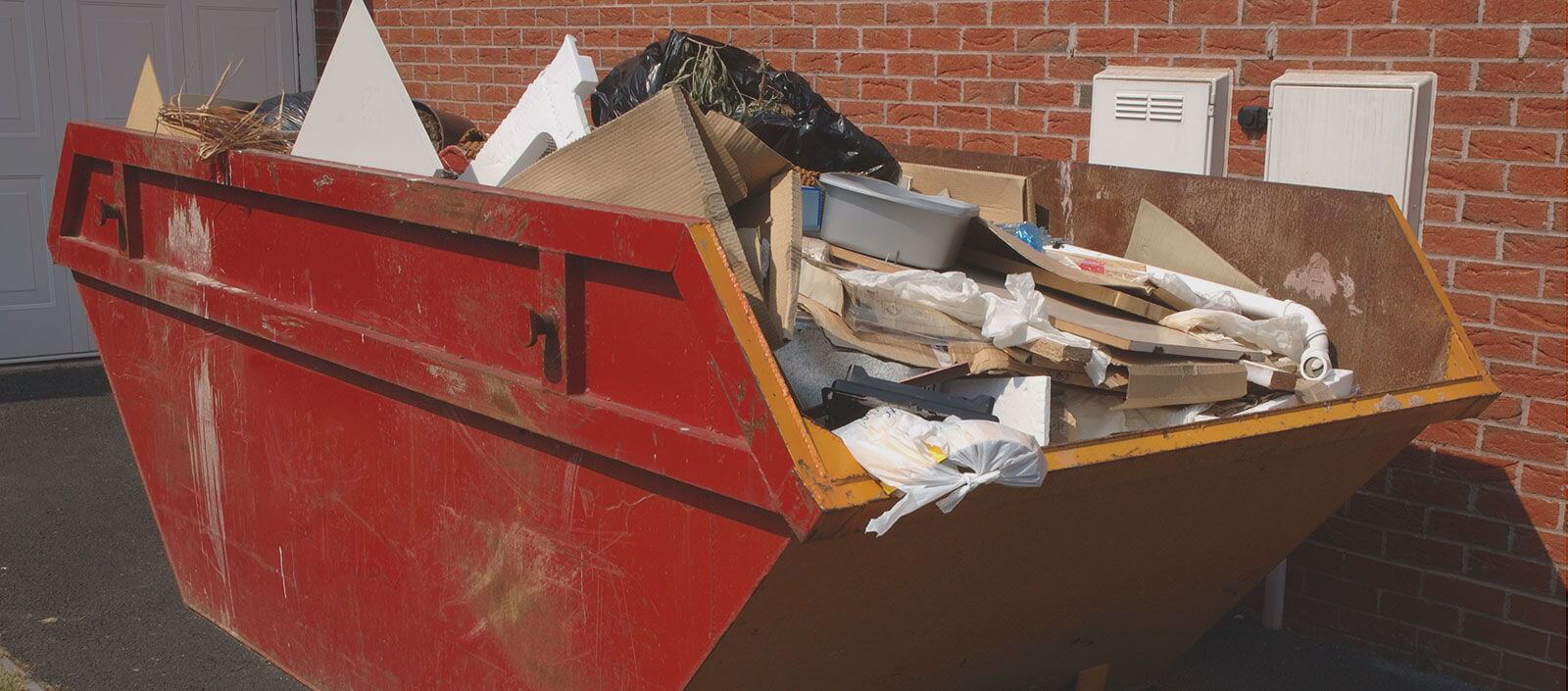
Golborne Road fly-tipping: report, remove and avoid fines
Posted on 06/06/2026

Fly-tipping on or near Golborne Road is one of those problems that can turn a normal day into a nuisance very quickly. A sofa left beside a bin store, a heap of builders' rubble blocking a pavement, or a pile of black bags that never should have been there in the first place - it all creates mess, stress, and sometimes a real risk of fines. If you are trying to work out how to report, remove and avoid fines, this guide walks you through the practical route, without the fluff.
There is a right way to deal with dumped waste, and the wrong way can cost you time, money, and a fair bit of frustration. Whether you are a resident, landlord, shop owner, managing agent, or someone clearing a flat near Golborne Road, you will find clear steps here: how fly-tipping is usually handled, what to do first, how to choose removal help, and how to avoid being caught out by poor disposal practices. Let's keep it simple and useful.
Why Golborne Road fly-tipping: report, remove and avoid fines Matters
Fly-tipping is more than an eyesore. On a busy street like Golborne Road, dumped waste can narrow walkways, attract more rubbish, and create the kind of lingering mess that becomes everyone's problem. One abandoned mattress or broken cabinet can snowball into a small hotspot if nobody acts promptly. You can almost picture it: people passing by, shrugging, then another bag appears, then another. Not ideal.
It matters because improper dumping can affect public safety, local pride, and compliance. It can also lead to confusion about who is responsible. Many people assume "someone will deal with it" or "the council will sort it out eventually." Sometimes they do, but not always as quickly as you'd like, and if the waste is linked to a household, business, or contractor, the record trail matters.
There is also the risk of fines if waste is left out incorrectly, handed to an unlicensed operator, or disposed of without reasonable care. Truth be told, most fines are avoidable. The tricky part is knowing where the line is. That's why a calm, methodical approach is better than a rushed one.
For local context, it helps to understand the street and the people around it. Golborne Road sits in a lively part of west London, where homes, small businesses, and visitor traffic all overlap. If you want broader local background, the area guides on local advice for potential residents in Notting Hill and roaming the streets of Notting Hill are useful for understanding day-to-day life nearby.
How Golborne Road fly-tipping: report, remove and avoid fines Works
The process is usually straightforward once you break it into three parts: report, remove, and avoid. That order matters. If the waste looks suspicious, hazardous, or linked to a known property, reporting comes first. If it is on private land or blocking access, removal may need to happen quickly. And once the immediate issue is gone, you need to prevent a repeat.
1) Report the fly-tip clearly
Good reporting makes it easier for the right team to respond. In practical terms, note the exact location, what has been dumped, whether it is blocking access, and whether you think it was left recently. If there are broken items, paint tins, appliances, builders' rubble, or black bags spilling out, mention that too. The clearer the report, the less guesswork later.
If you are documenting the issue for your own records, keep a few simple notes: time, date, weather if relevant, and a brief description. No need to write a novel. A few solid details are enough.
2) Remove it safely and legally
Not every pile of rubbish should be handled in the same way. Loose household waste is one thing; sharp debris, wet paint, broken glass, or heavy items are another. If the waste is on private property, you may need a same-day clearance solution. If it is on a shared pavement or verge, the safest approach is often to coordinate removal only after the report has been made and the land ownership or responsibility is clear.
For bulky items, mixed waste, or a large one-off clear-out, a professional waste removal service in Notting Hill can be a practical route. If the issue came from a household refresh, domestic waste collection in Notting Hill may suit smaller loads. For oversized items, furniture disposal and furniture removal can be more efficient than trying to dismantle and drag everything yourself down a narrow street at the wrong time of day.
3) Avoid fines by preventing the same mistake twice
This is where many people slip up. They clean up the obvious mess, then leave the root cause untouched. Fines and repeat problems usually come from poor disposal habits: leaving bags out too early, using the wrong carrier, failing to separate waste streams, or assuming a contractor "must be legit." Ask questions. Keep records. Check paperwork. A few minutes now can save a nasty headache later.
Key Benefits and Practical Advantages
Dealing with fly-tipping properly brings more than a tidy pavement. It protects your reputation, reduces conflict with neighbours, and helps you stay on the right side of local waste expectations. If you run a business, that's no small thing. If you are a homeowner, it can stop a small issue from becoming a recurring one. Simple, but true.
- Cleaner frontage: Businesses and homes look cared for, which matters on a visible street.
- Lower risk: Less chance of trip hazards, pest activity, or damage to access routes.
- Better compliance: Clear evidence that waste was handled responsibly.
- Less repeat dumping: Fast removal reduces the "free space" effect that attracts more waste.
- Peace of mind: You know the job was done by a properly managed process.
There's also a practical benefit that gets overlooked: once the waste is gone, you can see the site properly. That matters in tight urban spaces where a hidden leak, cracked paving slab, or blocked bin access can be masked by clutter.
Expert summary: The best fly-tipping response is not just "clear it up." It is report first, remove safely, then set up a disposal habit that makes repeat dumping far less likely.
Who This Is For and When It Makes Sense
This guide is for anyone who has to deal with dumped waste near Golborne Road and wants the sensible route, not guesswork. That includes:
- Residents dealing with dumped bags, furniture, or household rubbish outside a home or block
- Landlords and managing agents responsible for shared spaces and bin areas
- Shop owners and cafes wanting to keep frontages clear and welcoming
- Builders or tradespeople who need to clear leftover materials correctly
- Anyone who inherited a messy property, cleared a loft, or had a rough move
It makes sense to take action quickly when waste is obstructing access, smells bad, contains hazardous items, or has the look of being fly-tipped rather than just put out incorrectly. It also makes sense if you suspect the waste came from a contractor who should have handled it professionally.
If you are sorting out a larger clearance, the broader service pages for house clearance, loft clearance, and office clearance are worth a look, because fly-tipping problems often start during a move, refurbishment, or overdue clear-out.
Step-by-Step Guidance
Here is the cleanest way to approach the problem without overcomplicating it.
- Assess the waste from a safe distance. Check whether it is general rubbish, furniture, mixed builders' waste, or something potentially hazardous.
- Take note of the location. Be specific about the street, frontage, bin store, alley, or service area involved.
- Photograph the scene. Keep the images simple and factual. A few clear shots are enough.
- Decide whether it is public or private responsibility. That distinction affects what happens next.
- Report it through the appropriate route for the land or street. If you are not sure, log the issue anyway and keep your notes.
- Arrange removal if it is on your property or blocking your access. Use a reputable, licensed waste operator.
- Ask for what will be taken. Confirm whether the team handles mixed waste, bulky items, appliances, or garden waste.
- Request paperwork or confirmation where appropriate. That helps with your records.
- Check the area after removal. A missed shard of glass or a broken fixing can cause a second problem later.
- Change the pattern. Improve bin storage, collection timing, signage, or contractor controls to avoid another incident.
A small but useful detail: if the dumped material is mainly domestic, you may need a different approach than if it includes trade waste or renovation debris. A bag of broken plasterboard behaves differently from an old wardrobe, obviously, and the disposal route should reflect that.
Expert Tips for Better Results
These are the things that make a real difference in practice, and they are the bits people usually skip.
Separate suspicion from certainty
It is easy to assume you know who dumped the waste. Sometimes you do. Often you don't. Keep your report factual and avoid turning it into a detective story unless you have something concrete. That keeps communication cleaner and more credible.
Think about timing
Morning is often best for visibility and coordination, especially on busy roads where foot traffic and parking are annoying enough without added clutter. If waste appears in the evening, it can look worse by breakfast. The earlier you deal with it, the better.
Use the right kind of clearance help
There is a difference between lifting a single sofa and clearing mixed rubbish from a back yard after building work. If the load includes debris, bricks, timber offcuts, or plaster, builders waste disposal is the more appropriate route. For wet grass cuttings, branches, and hedge trimmings, garden waste removal is usually the better fit. Match the service to the load. It sounds basic, but it prevents a lot of mess.
Keep disposal habits boring
Boring is good here. Clear labels, booked collections, licensed carriers, and tidy storage. Not exciting, but it works. The people who avoid fines tend to be the ones who are mildly obsessive about the unglamorous bits. Fair enough, really.
If you are dealing with recurring waste near a commercial frontage, the wider commercial waste removal route may be more appropriate than one-off pickups. Businesses often need a routine rather than a rescue.

Common Mistakes to Avoid
Most fly-tipping headaches come from a few predictable mistakes. Here are the big ones.
- Leaving rubbish out too early: This can make the street look untidy and may attract more dumping.
- Using an unlicensed carrier: If something goes wrong, you may end up with the responsibility.
- Mixing hazardous items with general waste: Paint, chemicals, and damaged electricals need more care.
- Assuming bulk waste is always council collection: That's not always the fastest or best route for every situation.
- Ignoring repeat patterns: If the same corner keeps attracting waste, the storage or access setup may need changing.
- Not getting confirmation: A vague handshake arrangement is not enough. You want clarity on what is being removed and how.
One other thing: don't underestimate small items. A few bags of mixed rubbish can become a surprisingly large issue if they split, soak up rain, or block a bin area. London weather does love to make things worse, doesn't it?
Tools, Resources and Recommendations
You do not need a mountain of equipment to handle a fly-tipping incident well. A few sensible tools and reference points make the process smoother.
- Phone camera: For simple before-and-after documentation.
- Gloves and sturdy footwear: Only for safe handling where appropriate and allowed.
- Notepad or notes app: Time, place, item type, and any observations.
- Bin store or containment area review: Check whether access, lids, or signage are part of the problem.
- Licensed waste provider documentation: Useful for peace of mind and record-keeping.
For useful background reading on service scope and what different collection types cover, the services overview is a practical starting point. If you want reassurance about safety and site handling, the page on insurance and safety helps explain the sort of standards you should expect. And if you are checking how disposal is handled more responsibly, the site's recycling and sustainability information is a sensible companion read.
If you need a quick response after hours, a same-day or urgent collection can be helpful. There's a reason people search for 24/7 emergency rubbish collection in Notting Hill - waste rarely chooses a convenient moment.
Law, Compliance, Standards, or Best Practice
This is the part people sometimes gloss over, but it matters. In the UK, waste must be handled in a way that shows care and proper control. For ordinary residents, that usually means using a legitimate route for disposal, not handing waste to someone who looks cheap but can't explain where it goes. For businesses, the expectation is even higher because commercial waste creates a clearer duty of care.
Good practice usually includes:
- Using a waste carrier that can demonstrate compliance
- Keeping a record of what was removed and when
- Not allowing waste to be transferred without clarity
- Separating reusable items, recyclable items, and general waste where practical
- Being cautious with mixed loads, electricals, and building materials
If a contractor seems vague about licensing, paperwork, or destination handling, that is a red flag. Simple as that. The page on waste carrier licence and compliance is especially relevant here, because it reinforces what responsible disposal should look like.
Best practice is not about making the process more complicated. It is about reducing risk. For example, if you are clearing a room full of furniture and odds and ends, a structured furniture removal approach keeps the load traceable and much easier to handle. If appliances are involved, white goods and appliance disposal is the safer and cleaner path. That kind of matching matters.
Options, Methods, or Comparison Table
Not every case needs the same remedy. Here is a simple comparison of the main approaches.
| Option | Best for | Pros | Limitations |
|---|---|---|---|
| Report only | Public land incidents, unclear responsibility, recurring hotspots | Creates a record, helps trigger the right response | May not remove the waste quickly if it is on private land |
| Self-clear with care | Very small, safe, non-hazardous waste on your own property | Quick, low-cost if manageable | Risky for heavy, sharp, or mixed loads; can be time-consuming |
| Licensed waste collection | Bulky items, mixed rubbish, domestic or commercial clear-outs | Efficient, more reliable, easier to document | Costs money, and you need to choose the right provider |
| Specialist clearance | House, loft, office, or builders' waste after a bigger project | Best for complex or larger loads | Needs more coordination and a fuller scope review |
If the issue started with a specific bulky item, it may help to check what bulky waste pickup prices usually cover so you can compare your options sensibly before booking anything.

Case Study or Real-World Example
A common Golborne Road scenario goes like this. A resident notices two black bags, an old chair, and some broken shelving left beside a shared bin area on a Friday evening. By Saturday morning, more rubbish has appeared. The smell is beginning, the pavement is cramped, and everyone in the building is getting annoyed. Classic small problem turning larger.
The sensible response is not to drag everything around blindly. First, the resident photographs the waste and notes the location. The managing agent checks whether the area falls under shared responsibility or a nearby property issue. Because the waste includes furniture and mixed household items, the team arranges a licensed collection rather than hoping it disappears. The removal is done quickly, the space is cleared, and the bin area is reviewed so bags are not left vulnerable again.
The real win here was not just removing the mess. It was stopping the repeat. In our experience, that's where most good outcomes happen. Not in the dramatic part. In the boring follow-through.
If the waste had been mainly from a flat clear-out, the team might also have combined the job with a house clearance or even a bulky waste pickup style approach, depending on the load. That flexibility is often what keeps the street tidy without creating extra hassle.
Practical Checklist
Use this quick checklist when you spot fly-tipping or need to prevent a repeat.
- Confirm whether the waste is on public or private land
- Take clear photos from a safe position
- Note the type of waste and how much there is
- Check whether anything looks hazardous or sharp
- Report the issue through the proper route
- Arrange removal if you are responsible for the site
- Use a licensed and insured waste operator
- Keep records of the removal and any paperwork
- Review bin storage, access, signage, and collection timing
- Watch for repeat dumping and act early if it returns
For properties that regularly generate mixed waste, a more structured approach may be needed. That might mean a standing collection arrangement, a better storage setup, or a clearer division between domestic and trade waste. A small adjustment can save a lot of grief, honestly.
Get a free quote today and see how much you can save.
Conclusion
Golborne Road fly-tipping is best handled with a calm, practical routine: report it clearly, remove it safely, and put measures in place so it is less likely to happen again. That sounds basic because it is. But basic done well is often what protects you from fines, delays, and a street-level mess that nobody wants to inherit.
If you are dealing with dumped rubbish now, start with the facts, not the panic. If you are trying to avoid future problems, build better waste habits today. Use proper collections, keep records, and treat suspiciously cheap disposal with caution. A tidy frontage, a clearer bin area, and fewer headaches - not a bad outcome for a few careful steps.
And if you are unsure which route fits your situation, take a breath and choose the safest, cleanest option. That little bit of care goes a long way.