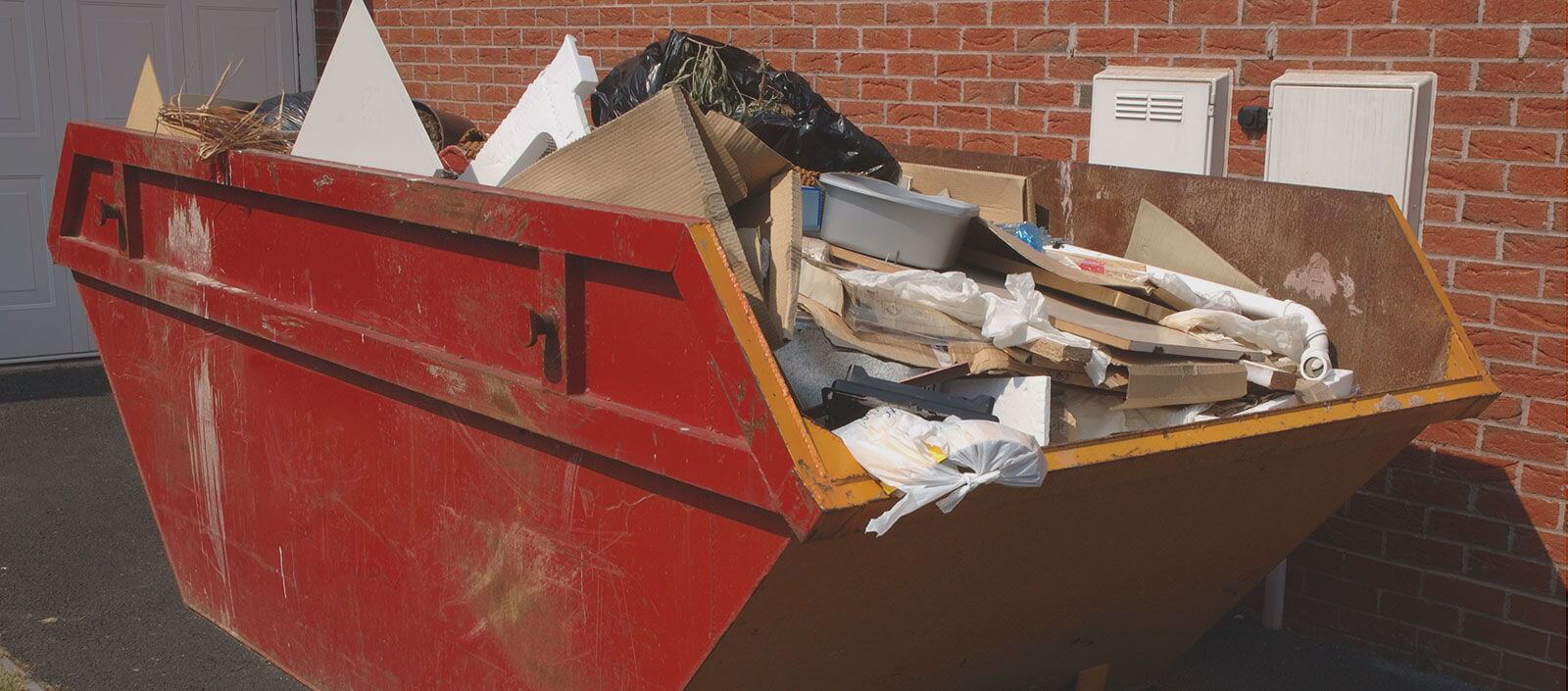
Kensington & Chelsea Council rubbish fines: what to avoid
Posted on 22/06/2026

If you live, work, or manage property in this part of west London, rubbish handling can become surprisingly expensive when the small details are missed. The main issue with Kensington & Chelsea Council rubbish fines: what to avoid is not just the fine itself; it is the knock-on hassle of proving what happened, sorting out waste properly, and dealing with complaints from neighbours or building management. One bag left out at the wrong time, a broken wardrobe placed beside a communal bin, or a contractor who cannot show proper paperwork can all create avoidable problems. This guide explains the practical side clearly, so you know what to avoid and how to stay on the right side of local expectations.
Whether you are clearing a flat near the King's Road, tidying a basement after a renovation, or simply trying to get rid of a bulky sofa without drama, the safest approach is usually the simplest one: keep waste contained, use the right collection route, and never assume that "someone else will deal with it." Let's face it, rubbish is rarely glamorous. But getting it wrong can be awkward fast.
Why Kensington & Chelsea Council rubbish fines: what to avoid Matters
Rubbish fines are not just a paperwork issue. In a dense borough like Kensington and Chelsea, poor waste placement affects pavements, shared entrances, alleyways, and mews streets very quickly. A single bin bag in the wrong spot can become a complaint. A stack of furniture left out overnight can look like fly-tipping to a passer-by, even if you meant to move it the next morning. That is why the subject of Kensington & Chelsea Council rubbish fines: what to avoid matters so much in practice.
There is also a wider point here. Enforcement usually increases when an area has repeated littering, messy communal waste storage, or abandoned bulky items. If you are a tenant, landlord, property manager, or business owner, your actions may affect more than your own household. In some cases, it is the shared nature of the space that creates the risk. One person's shortcut becomes everyone's headache.
For residents and businesses in Notting Hill and nearby streets, the pressure is familiar: limited storage, narrow pavements, and limited tolerance for mess. If you are planning a clear-out, it can help to think ahead rather than react later. Our guide on local advice for potential residents in Notting Hill touches on the practical side of living well in a busy part of London, where waste discipline is part of the day-to-day rhythm.
Key takeaway: most rubbish fines are avoidable if you keep waste on private property until collection, use approved disposal routes, and do not guess about what can be left where.
How Kensington & Chelsea Council rubbish fines: what to avoid Works
The exact enforcement process can vary, but the general pattern is fairly consistent. A complaint, inspection, or evidence of abandoned waste may lead to enforcement action. That can include a warning, a fixed penalty, or a request to remove waste immediately. In more serious situations, repeated fly-tipping or improper disposal can escalate further.
It helps to separate three common situations:
- Routine household waste placed incorrectly - for example, bags left beside a bin because it was full or because collection timing was misunderstood.
- Bulky waste or furniture left out - such as mattresses, sofas, or white goods placed on the street without an agreed collection.
- Commercial or trade waste handled badly - for example, a contractor leaving debris behind, or a business failing to use a suitable disposal route.
In day-to-day life, the problems often start with timing. A bag put out too early in the evening can be torn open by birds or dragged across a pavement by foxes. A sofa moved outside "just for a minute" can sit there all day if plans change. It sounds trivial until it isn't.
If you are arranging a larger clear-out, it is worth thinking about the right service before the rubbish starts piling up. Pages such as services overview and waste removal in Notting Hill can help you understand what a proper collection should look like, especially if you want one visit to handle a lot of mixed waste without leaving anything exposed outside.
Key Benefits and Practical Advantages
Staying ahead of rubbish rules is not only about avoiding penalties. It makes life easier in several quiet, practical ways.
- Cleaner entrances and pavements: waste kept under control avoids complaints from neighbours and building managers.
- Less risk of pest or weather damage: bags left out in rain or wind become messy quickly.
- Fewer collection disputes: when you know what was removed, when, and by whom, there is less confusion later.
- Better results during clear-outs: organised disposal speeds up moves, refurbishments, and end-of-tenancy work.
- Lower stress: you are not wondering whether that old wardrobe is now a council issue.
There is also a commercial benefit. If you are selling, letting, or refurbishing property, tidy waste management gives a better impression to buyers, tenants, and contractors. A flat with sorted rubbish is simply easier to work in. Our piece on Notting Hill home sales also reflects how presentation and practical readiness often go together when a property is on the move.
For landlords and agents in particular, avoiding waste mistakes can save time on re-visits, tenant disputes, and last-minute cleaning costs. It is one of those unglamorous jobs that has a very real payoff.
Who This Is For and When It Makes Sense
This guidance is useful for more people than you might think. Not just households. Not just people doing a big spring clean. The risk shows up in ordinary situations all the time.
- Homeowners clearing attics, gardens, basements, or garage clutter.
- Tenants moving out and trying to leave a property tidy.
- Landlords and letting agents dealing with abandoned items or end-of-tenancy waste.
- Businesses disposing of office furniture, packaging, or surplus stock.
- Builders and trades managing renovation debris and mixed construction waste.
- Estate executors and family members handling a house clearance with care and speed.
If that sounds familiar, you are in the right place. In busy neighbourhoods, especially where space is tight and shared access is common, the main challenge is not usually "what to throw away" but "how to do it without creating a mess or a complaint."
For more complex clearances, such as larger properties or cluttered spaces, a discreet, organised approach matters. If you need a bit of perspective on that, discreet rubbish help for hoarder clearances is a useful related read because it shows how sensitive clean-outs need planning, not improvisation.
Step-by-Step Guidance
If you want the simplest possible route to avoiding rubbish fines, use this process. It is practical, not fancy, but it works.
- Identify the waste type. Separate general household rubbish, bulky items, electricals, garden waste, and trade waste. Mixed loads cause confusion.
- Check where the waste is allowed to go. Keep it on private property until collection unless local rules clearly allow temporary placement.
- Decide whether it needs special handling. Mattresses, fridges, paint, plasterboard, and building rubble often need different arrangements.
- Use the right collection route. For larger clear-outs, book a legitimate collection instead of leaving items outside and hoping for the best.
- Confirm timing. Do not put waste out too early. In streets with foot traffic, timing matters more than people assume.
- Keep proof. Save booking confirmations, receipts, and any messages about what was collected.
- Inspect the area after collection. Make sure nothing small has been left behind. Loose screws and scraps have a habit of hiding under bigger items.
A small real-world example: if you are replacing a sofa and a chest of drawers on a Friday, do not pull them into the hallway and leave them until Monday because "the plan is to deal with it later." Later often becomes the moment a neighbour complains, or an inspection happens, or it rains, and now the whole thing looks messier than it was supposed to be. Simple? Yes. Easy to forget? Also yes.
Expert Tips for Better Results
Here are the habits that make the biggest difference, especially in Kensington and Chelsea where space is limited and people notice what is going on.
- Use a staged clear-out: do one room, one floor, or one category at a time so waste does not spread everywhere.
- Label what stays and what goes: this is especially helpful in shared houses and probate clearances.
- Take photos before and after: handy for landlords, agents, and anyone who may need evidence of a clean handover.
- Do not rely on "someone else": that mystery person who was meant to move the bin? Best not to assume.
- Ask about licensing and disposal standards: if a carrier cannot explain how waste is handled, that is a red flag.
- Think about access: narrow staircases, basement steps, and parking restrictions can change the whole job.
One quiet but important tip: if you are disposing of furniture or white goods, ask whether dismantling is needed first. A wardrobe that will not fit through a doorway can lead to a rushed job, scuffed walls, and an awkward pile on the pavement. Nobody wants that at 8:30 in the morning, with commuters passing by and tea going cold on the counter.
If the waste includes appliances, it is sensible to look at white goods and appliance disposal in Notting Hill. If it is mostly furniture, furniture removal or furniture disposal can be a more direct fit, depending on whether items are reusable, recyclable, or simply ready to go.

Common Mistakes to Avoid
This is where many people get caught out. Not because they are careless, but because the rules feel obvious until they are not.
- Leaving bags beside the bin when the bin is full. That is still uncontrolled waste.
- Putting bulky items out without a proper booking. A mattress on the pavement is never a harmless little shortcut.
- Using an unlicensed carrier. If waste is later dumped illegally, you may be asked questions.
- Assuming garden waste is "just organic" and therefore easy. Branches, soil, and turf can still need proper handling.
- Mixing trade and household waste. This often complicates disposal and costs more to sort later.
- Ignoring shared-space rules. Blocks of flats, mews houses, and converted properties often have extra expectations.
- Forgetting hazardous items. Paints, chemicals, gas cylinders, batteries, and some electronics need extra care.
A lot of fines, frankly, begin with a small misunderstanding. Someone thought the collection was tomorrow. Someone else assumed the caretaker would move the bags. Another person believed the pavement was "out of the way enough." It rarely is.
For bigger outside jobs, such as seasonal cut-backs or terrace maintenance, garden waste collection for terraces is a helpful related guide, because garden debris in compact urban spaces is exactly where things can spill over into nuisance territory.
Tools, Resources and Recommendations
You do not need complicated systems. A few sensible tools and habits are enough for most households and small businesses.
- Simple room-by-room checklist: keeps clear-outs orderly.
- Camera phone: use it to record condition before and after a clearance.
- Labels or coloured tape: helpful when sorting what stays, sells, donates, or goes.
- Calendar reminders: especially useful for collection days and end-of-tenancy deadlines.
- Measured access notes: note narrow doorways, stair turns, lift sizes, or parking constraints before booking.
On the service side, it helps to compare how different waste jobs are handled. If you are dealing with builders' rubble or renovation debris, builders waste disposal in Notting Hill is a better fit than a general household rubbish clear-out. For office moves and surplus workstations, office clearance is usually the more practical route. And if you just need a regular domestic pickup, domestic waste collection may be all you need.
If you are unsure whether a provider is operating properly, look at their compliance information. The page on waste carrier licence and compliance is worth checking because rubbish disposal should always be traceable. Also useful in a practical sense: pricing and quotes for understanding how costs are usually presented, and insurance and safety for the care side of the service.
Law, Compliance, Standards, or Best Practice
It is best to treat rubbish disposal as a compliance matter, not a casual chore. In the UK, waste transfer, storage, transport, and disposal are all expected to follow accepted standards. For everyday readers, the key point is simple: if waste leaves your control, it should go through a legitimate route with clear responsibility attached.
Best practice usually means:
- keeping waste contained until collection;
- using a properly authorised carrier for removals;
- separating reusable, recyclable, and residual waste where possible;
- avoiding obstruction of pavements, entrances, and communal areas;
- not leaving items that could be confused with fly-tipped waste;
- keeping evidence of lawful disposal for your own records.
This is particularly relevant for landlords, contractors, and businesses. If there is any doubt about who arranged the disposal or where the waste ended up, the question becomes more than administrative. That is why reputable operators tend to be clear about licences, handling methods, safety, and terms. The documentation may seem dull. It saves trouble later, which is the whole point really.
For readers who want the broader values side as well, recycling and sustainability is a sensible companion page. Good waste handling is not just about avoiding a fine; it is about reducing unnecessary landfill and making cleaner choices where possible.
Options, Methods, or Comparison Table
Here is a straightforward comparison of common ways people deal with rubbish in Kensington and Chelsea. The "best" option depends on volume, urgency, item type, and how much lifting or sorting is involved.
| Method | Best for | Main advantage | Main risk to avoid |
|---|---|---|---|
| Normal household collection | Everyday bagged rubbish | Simple and familiar | Putting waste out too early or in the wrong place |
| Bulky item collection | Sofas, mattresses, wardrobes, appliances | Suitable for larger items | Leaving items out without a valid booking |
| Private waste removal service | Mixed loads, clear-outs, renovation waste | Flexible and often faster | Using an unlicensed or careless carrier |
| DIY transport to a disposal site | Small loads with access to a vehicle | Direct control over the job | Incorrect sorting, parking trouble, time cost |
If you are comparing bulky item options, what we collect for bulky waste pickup is useful because it helps set expectations before you book anything. For urgent situations, 24/7 emergency rubbish collection in Notting Hill can be worth reading, especially if you are dealing with last-minute move-outs or an access issue that cannot wait until next week.
Case Study or Real-World Example
A common real-world scenario goes like this. A flat near Westbourne Grove is being emptied after a tenant move. There is a broken sofa, two chairs, a dismantled bed, and a pile of mixed bags from the kitchen. The temptation is to leave everything by the front entrance the evening before collection, because the removal crew is "definitely coming in the morning."
Then the weather turns. Bags split. A neighbour complains. A delivery rider has to squeeze past the pile. By the time the collection arrives, the scene looks worse than it should have done, and everyone is slightly irritated. Not disastrous, but annoying enough to cause problems.
The better version is calmer. Items are kept inside until the booking is confirmed. Fragile rubbish is bagged. Furniture is grouped neatly in one room or just inside the property. The access route is checked so the movers are not dragging a sofa down a narrow hallway blind. After collection, the area is left clean. No mystery pile, no confusion, no complaint trail.
That kind of approach is especially helpful when you are clearing a property that needs to be presented well. For a practical local angle, the article on Westbourne Grove furniture removal, rates and timings gives a useful sense of how timing and access can shape the whole experience. If you are dealing with a larger or more sensitive job, discreet rubbish help in Notting Hill Gate is another relevant read because it shows why discretion and planning matter.
Practical Checklist
Use this before any collection, clear-out, or disposal day.
- Have I sorted waste into the right categories?
- Do I know exactly when the collection is happening?
- Is everything kept on private property until needed?
- Are bulky items booked properly, not just "placed outside for now"?
- Have I checked for electrical, hazardous, or restricted items?
- Is the access route clear for movers or collectors?
- Do I have confirmation, receipt, or booking details saved?
- Have I made sure nothing is blocking the pavement or communal entrance?
- Would a neighbour reasonably see this as tidy and intentional?
- Do I know who is responsible if something goes wrong?
If you can tick most of those off, you are in much safer territory. If not, pause and fix the weak spot first. A ten-minute delay can save a lot of trouble. Honestly, that is the boring-but-true answer.
For more on the practical side of larger household jobs, house clearance in Notting Hill and loft clearance are both useful if your rubbish issue is part of a bigger clean-out rather than a one-off bag drop.
Conclusion
Kensington & Chelsea Council rubbish fines are easiest to avoid when you think ahead, keep waste controlled, and use the right disposal route for the job. Most problems come from simple things: wrong timing, poor communication, bad access planning, or assuming a pile of rubbish will somehow manage itself. It never really does.
If you are a resident, landlord, agent, or business owner, the safest mindset is to treat waste like any other part of property care. Keep it contained. Keep it traceable. Keep it out of shared spaces until it is genuinely ready to go. That approach is calmer, cleaner, and usually cheaper too.
If your rubbish situation is growing beyond a quick tidy-up, it is worth getting organised before it becomes a fine, a complaint, or a very unpleasant Saturday morning.
Get a free quote today and see how much you can save.
And if you are standing in the kitchen wondering whether that old chair counts as "temporary storage" or "already a problem," you probably already know the answer.